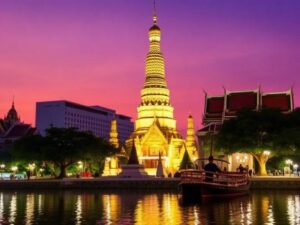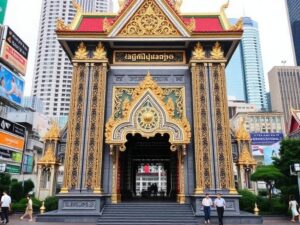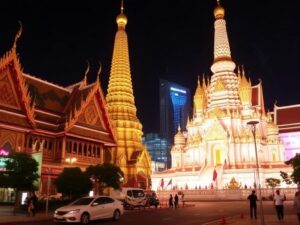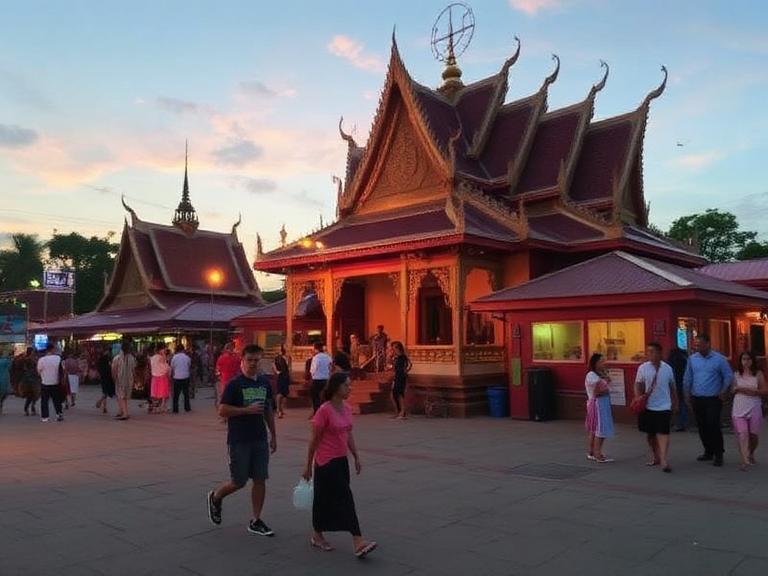
I’ve traveled across Southeast Asia more times than I can count, but nothing feels quite as alive as experiencing Thailand Festivals 2026 in person. Thailand doesn’t just celebrate festivals — it completely transforms during them. Streets become rivers of laughter, temples glow under candlelight, lanterns float into black skies like tiny stars, and strangers somehow become friends within minutes. If you’re wondering whether Thailand is worth visiting specifically for its festivals, my answer is simple: absolutely yes.
What surprised me most wasn’t just the beauty of the celebrations. It was how deeply emotional and personal many of these events felt. One moment I was soaked during Songkran in Chiang Mai, laughing with locals armed with water guns, and the next I was silently watching floating candles drift along the river during Loy Krathong. That contrast is what makes the best festivals in Thailand unforgettable. They are chaotic and peaceful, spiritual and wildly fun, ancient and modern at the same time.
Thailand’s festival calendar in 2026 is packed with experiences travelers dream about. From Traditional Thai festivals like Songkran and Yi Peng to huge cultural celebrations across Bangkok, Phuket, Pattaya, and Chiang Mai, this is one of the best years to plan a festival-focused trip. Official tourism updates confirm that Songkran 2026 will run nationwide from April 13–15, while Loy Krathong falls on November 25, 2026, with Chiang Mai’s Yi Peng celebrations expected on November 24–25.
Before I visited Thailand during festival season, I expected crowded tourist events. What I found instead were traditions deeply rooted in Thai culture, family values, Buddhism, and community. That’s exactly why this guide exists. I want to help you experience the real side of Thailand cultural events 2026, not just the Instagram version.
Why Thailand Festivals Feel Different From Anywhere Else
I’ve attended festivals in Europe, India, and Japan, but Thailand has a completely different energy. Thai celebrations don’t feel staged for tourists. They feel woven into everyday life. You notice it immediately when locals invite you into the experience rather than simply performing for visitors. During Songkran, strangers gently poured water over my shoulders while smiling and wishing me good luck for the new year. At Loy Krathong, families sat quietly beside rivers making wishes together. These moments felt authentic, not manufactured.
One thing I quickly realized is that many Traditional Thai festivals are tied closely to Buddhist beliefs and seasonal cycles. Festivals aren’t just parties here. They represent cleansing, gratitude, respect for water, honoring ancestors, or releasing negativity. That emotional depth changes the way you experience them. You stop being just a tourist with a camera and start feeling connected to the culture around you.
Thailand is also incredibly accessible for travelers. Domestic flights are cheap, trains connect major festival cities, and tours are easy to arrange even last minute. I booked a small Chiang Mai lantern tour online only two days before Yi Peng, and it made navigating the crowds much easier without feeling overly commercial. Many travelers also use guided festival tours because transportation and accommodations become hectic during major celebrations.
Another reason Thailand Festivals 2026 stands out is the variety. You can go from giant public water fights in April to peaceful lantern ceremonies in November. Few countries offer that kind of contrast within a single travel calendar.
Songkran Festival – Thailand’s Wildest Water Celebration
If someone asked me to describe Songkran in one sentence, I’d probably say: imagine New Year’s Eve, Holi, and a giant city-wide water battle all happening together under tropical heat. Songkran is Thailand’s New Year festival, officially running from April 13–15 in 2026.
My first Songkran experience happened in Chiang Mai, and honestly, I underestimated it completely. I stepped outside my hotel carrying a camera without waterproof protection. Within three minutes I was soaked from head to toe. Kids armed with water guns stood beside elderly women gently pouring scented water over Buddha statues. Pickup trucks full of laughing locals drove through the streets splashing everyone nearby. It was complete chaos, but somehow joyful rather than stressful.
What makes Songkran special isn’t just the water fights. The deeper meaning comes from cleansing and renewal. Many Thai families visit temples in the morning before joining street celebrations later in the day. I followed a local friend to a temple ceremony before entering the crowded old city streets, and that completely changed how I viewed the festival. It stopped feeling like just a giant party and started feeling like a cultural tradition with real emotional meaning.
Best Cities for Songkran
| City | Atmosphere | Best For | Average Daily Budget |
|---|---|---|---|
| Chiang Mai | Cultural + energetic | First-time visitors | $60–120 |
| Bangkok | Massive street parties | Urban nightlife lovers | $80–150 |
| Pattaya | Longest celebrations | Party travelers | $90–180 |
| Phuket | Beach + nightlife mix | Beach travelers | $100–200 |
Chiang Mai remains my personal favorite because the city feels built for Songkran. The moat surrounding the Old City becomes the center of the action, and the atmosphere feels surprisingly community-driven despite huge crowds. Bangkok’s Khao San Road is intense but very tourist-heavy. Pattaya extends celebrations longer than most cities, which some travelers love and others avoid.
Practical tip: buy waterproof phone pouches immediately. Every convenience store sells them for around 100–300 THB ($3–9 USD), and you absolutely need one.
Loy Krathong – Thailand’s Festival of Lights
If Songkran feels loud and explosive, Loy Krathong feels calm and reflective. The festival takes place on November 25, 2026, during the full moon of the Thai lunar calendar.
I experienced Loy Krathong in Bangkok near the Chao Phraya River, and the atmosphere honestly surprised me. After the intensity of Songkran, this festival felt almost meditative. Families gathered quietly around the water carrying beautifully decorated krathongs made from banana leaves, flowers, incense, and candles. People released them slowly into the river while making wishes or letting go of negative thoughts.
The symbolism behind Loy Krathong is beautiful. Locals explained that floating the krathong is a way of thanking the water goddess and releasing bad luck or stress from the past year. That meaning adds emotional depth to the experience. Watching hundreds of tiny candlelit floats drifting through the darkness felt strangely peaceful, even in busy Bangkok.
One of my favorite parts was how accessible the celebration felt. You don’t need an expensive tour package to enjoy it. I bought a handmade krathong from a local market for around 150 THB ($4 USD) and joined everyone near the riverbank. Travelers looking for organized experiences can book river cruises or guided temple tours, but honestly, simply wandering through the city works perfectly too.
The best places to celebrate Loy Krathong include:
- Chiang Mai
- Bangkok
- Sukhothai
- Ayutthaya
- Phuket
Sukhothai is especially famous because many believe the festival originated there centuries ago.
Yi Peng Lantern Festival in Chiang Mai
I thought social media had exaggerated Yi Peng. Then I stood in Chiang Mai watching thousands of lanterns rise silently into the sky together, and suddenly every photo online made sense.
Yi Peng usually takes place alongside Loy Krathong in Northern Thailand, particularly in Chiang Mai. In 2026, celebrations are expected around November 24–25.
The experience feels surreal. Lanterns slowly drift upward while monks chant nearby and crowds stand almost completely silent for a few moments. It’s one of the rare travel experiences that actually feels bigger in real life than it does online. The glow from the lanterns reflects across temples and rivers, making the entire city look cinematic.
One thing many travelers don’t realize is that you don’t necessarily need expensive VIP tickets. I met backpackers who enjoyed the festival simply by walking through Chiang Mai’s Old City and buying lanterns locally. Some organized lantern releases charge hundreds of dollars, but there are also affordable community events and public areas where you can participate naturally.
My advice is to arrive in Chiang Mai at least three or four days early. Hotels fill up incredibly fast, and flight prices rise sharply closer to the festival dates. I stayed in a small guesthouse near Tha Phae Gate for around $45 per night, but similar rooms doubled in price just days later.
Another important tip: choose eco-friendly lanterns and krathongs whenever possible. Thailand has become increasingly focused on reducing environmental damage from festival waste, especially plastic and foam materials.
Other Thailand Cultural Events 2026 Worth Visiting
Most travelers focus only on Songkran and Loy Krathong, but Thailand’s festival calendar is much broader than that. Some of my favorite experiences actually happened during smaller regional celebrations that felt more local and less crowded.
Phuket Vegetarian Festival
The Phuket Vegetarian Festival takes place in October and is one of the most intense cultural events I’ve ever witnessed. The festival combines Taoist traditions, processions, firecrackers, and extreme acts of devotion. It’s visually shocking at times, especially the ceremonial body piercings performed by participants.
Even if you don’t fully understand the rituals, you can feel the seriousness and spiritual intensity surrounding the event. Street food stalls serve entirely vegetarian meals during the festival, and many locals wear white to symbolize purity. The atmosphere feels completely different from Thailand’s more playful celebrations.
Phi Ta Khon Ghost Festival
This festival in Dan Sai is one of Thailand’s strangest and most fascinating traditions. Participants wear colorful ghost masks and costumes while dancing through the streets. It almost feels like a blend of Halloween and traditional folklore.
I didn’t expect much before visiting, but the creativity of the costumes and the community atmosphere made it memorable. Since Dan Sai is smaller and less touristy, the festival feels intimate compared to Bangkok or Chiang Mai events.
Chinese New Year in Bangkok
Bangkok’s Chinatown during Chinese New Year is absolute sensory overload in the best way possible. Red lanterns hang above packed streets while dragon dances, fireworks, and food stalls take over Yaowarat Road. According to Thailand’s 2026 holiday calendar, Chinese New Year falls around February 17–19.
I spent an entire evening wandering between food vendors eating dumplings, grilled seafood, and mango desserts while watching lion dance performances. If you love street food and photography, this is one of the best festivals in Thailand to experience.
Best Time to Visit Thailand for Festivals
If your goal is experiencing multiple Thailand cultural events 2026, timing matters a lot. Thailand’s climate changes significantly throughout the year, and festivals are spread across different seasons.
For travelers focused on Songkran, April is incredibly hot. Temperatures regularly exceed 35°C (95°F), which honestly makes the constant water splashing feel refreshing rather than annoying. Flights and hotels become more expensive during this period, especially in Chiang Mai and Bangkok.
November is personally my favorite time to visit Thailand for festivals. The weather is cooler, humidity drops, and both Loy Krathong and Yi Peng create an almost magical atmosphere across Northern Thailand. It’s also one of the best photography seasons.
Here’s a quick breakdown:
| Festival | Date 2026 | Best Destination | Weather |
|---|---|---|---|
| Chinese New Year | Feb 17–19 | Bangkok | Warm and dry |
| Songkran | Apr 13–15 | Chiang Mai | Very hot |
| Phi Ta Khon | June/July (TBA) | Dan Sai | Rainy season |
| Phuket Vegetarian Festival | Oct 10–18 | Phuket | Humid |
| Yi Peng | Nov 24–25 | Chiang Mai | Cool evenings |
| Loy Krathong | Nov 25 | Nationwide | Pleasant |
Booking early makes a huge difference. I booked my Chiang Mai hotel nearly four months before Yi Peng and still struggled to find affordable options close to the Old City.
Where I Stayed During Thailand Festivals 2026
Accommodation can seriously shape your festival experience. During Songkran, staying near the action sounds fun until you realize music and water fights continue late into the night. I learned this the hard way in Bangkok when my hotel near Khao San Road became almost impossible to access without getting drenched.
In Chiang Mai, staying inside the Old City worked perfectly because I could walk to most festival activities. Small boutique hotels and guesthouses felt much more personal than large chain hotels. Many owners even gave festival advice or helped arrange local transportation.
For budget travelers, hostels become incredibly social during festival periods. I met solo travelers from Europe, Australia, and South America simply by hanging out in hostel common areas before Songkran events. Many hostels organize group outings or local tours during festivals, which helps first-time visitors navigate the chaos more comfortably.
Approximate nightly prices during festival season:
- Budget hostel: $10–25
- Guesthouse: $30–70
- Mid-range hotel: $80–180
- Luxury hotel: $250+
Transportation also gets crowded quickly. Domestic flights between Bangkok and Chiang Mai often increase dramatically in price during festival weeks, so I recommend booking at least two months in advance if possible.
Essential Travel Tips for Festival Season in Thailand
After attending several Thai festivals, I realized preparation matters more than people expect. Festivals look spontaneous, but small details can completely change your experience.
First, always carry cash. Many street vendors and local markets still prefer cash payments during festivals. ATMs become crowded, especially in tourist-heavy areas.
Second, respect the cultural side of celebrations. Songkran may look like a giant water fight online, but many locals begin the day with temple visits and blessings. Wearing respectful clothing around temples matters, even during playful events.
Third, expect crowds everywhere. Public transportation, airports, hotels, and shopping areas become much busier during festival periods. Patience becomes part of the travel experience.
A few essentials I always recommend:
- Waterproof phone pouch
- Quick-dry clothing
- Sandals or waterproof shoes
- Portable charger
- Lightweight rain jacket
- Small towel
One of the smartest decisions I made was booking a guided evening walking tour during Loy Krathong. It wasn’t expensive, but having a local explain the traditions made the festival much more meaningful.
Reddit travelers also repeatedly recommend goggles for Songkran because water guns can get surprisingly aggressive in tourist-heavy zones.
Conclusion
Experiencing Thailand Festivals 2026 changed the way I think about travel. These festivals aren’t just attractions added to an itinerary. They create moments you genuinely remember years later. I still think about lanterns floating above Chiang Mai, water splashing across crowded streets during Songkran, and the quiet atmosphere beside Bangkok’s rivers during Loy Krathong.
What makes Thailand special isn’t only the beauty of the festivals themselves. It’s the way locals include visitors in the experience while still preserving the cultural heart behind the celebrations. That balance is rare.
If you’re planning a Southeast Asia trip in 2026, I honestly think organizing your travel dates around Thailand’s festivals is one of the smartest decisions you can make. Whether you want energy, spirituality, photography, nightlife, food, or cultural immersion, there’s a festival here that fits perfectly.
And once you experience one Thai festival, chances are you’ll immediately start planning the next one.
FAQs
What are the best festivals in Thailand in 2026?
The most popular festivals include Songkran (April 13–15), Loy Krathong (November 25), Yi Peng Lantern Festival (November 24–25), Phuket Vegetarian Festival, and Phi Ta Khon Ghost Festival.
What is the best time to visit Thailand for festivals?
April is ideal for Songkran, while November is best for Loy Krathong and Yi Peng due to cooler weather and beautiful lantern celebrations.
Is Songkran safe for tourists?
Yes, but preparation helps. Waterproof your valuables, avoid carrying unnecessary electronics, and stay aware in crowded party areas.
How expensive is it to attend Thailand festivals?
Most festivals are free to attend. Travelers mainly pay for accommodation, transport, food, and optional tours. Budget travelers can comfortably enjoy festivals for around $50–100 per day.
Where should I stay during Yi Peng in Chiang Mai?
The Old City and Nimmanhaemin areas are excellent choices because they provide easy access to lantern events, temples, restaurants, and transportation.
Do I need to book tours for Thailand festivals?
Not always. Many festivals can be enjoyed independently, but guided tours help with transportation, cultural understanding, and navigating crowded events.