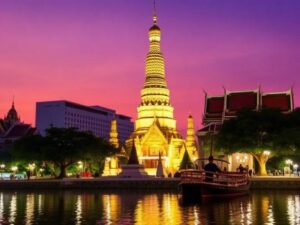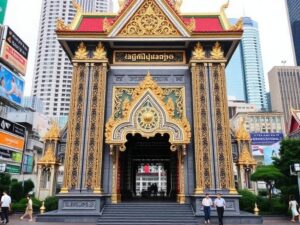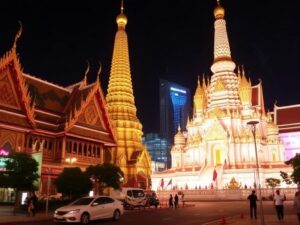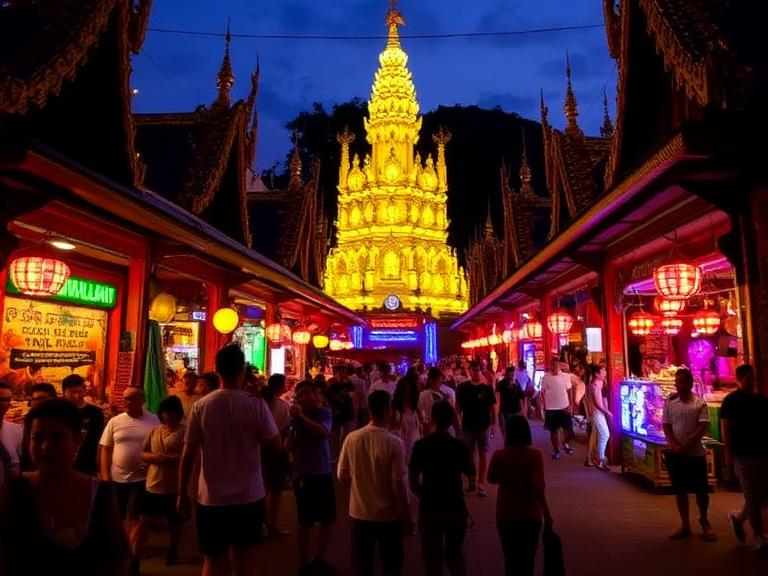
Thailand completely changed the way I think about travel festivals. I used to believe festivals were just “extra events” added to a destination, something fun if your dates happened to line up. Then I experienced Songkran in Bangkok, watched lanterns float into the night sky during Yi Peng in Chiang Mai, and stood beside a river filled with glowing krathongs during Loy Krathong. That’s when I realized something important: the best time to visit Thailand for festivals is not just about weather or tourist seasons. It’s about timing your trip around the country’s heartbeat.
I genuinely think Thailand is one of the best destinations in the world for cultural festivals because the celebrations don’t feel staged for tourists. Even in busy areas packed with travelers, you still see locals praying at temples, families cooking together, and communities gathering with real emotion behind the traditions. It feels alive in a way many destinations struggle to replicate.
If you’re planning a trip and wondering when to visit Thailand, this guide will help you understand the country’s biggest celebrations, the ideal months to travel, and what it actually feels like to be there. I’ll also share practical tips, transport advice, hotel suggestions, approximate costs, and small mistakes I made so you can avoid them.
Why Thailand Festivals Feel Different
I’ve attended festivals in several countries, but Thailand feels unusually immersive. You don’t simply “watch” a festival here. You become part of it almost immediately. During my first trip, I arrived in Bangkok expecting to casually observe Songkran from a safe distance. Within fifteen minutes, someone handed me a water gun, another person smeared cooling paste on my cheek, and suddenly I was laughing with complete strangers in the middle of the street.
That’s the thing about the best time to visit Thailand for festivals — it creates instant memories. The energy spreads everywhere. Markets stay busy late into the night, temples glow with candles, and even ordinary streets become social spaces where locals and travelers interact naturally. It never felt forced or commercialized to me, even in tourist-heavy neighborhoods like Khao San Road.
The timing of your visit matters more than many travelers realize. Thailand’s weather changes throughout the year, but festival seasons transform entire cities. Hotel prices rise, transport becomes crowded, and certain destinations become significantly more exciting. I actually enjoyed Thailand more during festival periods despite the chaos because the atmosphere made every day feel unpredictable in the best possible way.
One thing I appreciated was how different each region felt during celebrations. Chiang Mai had a slower, more spiritual atmosphere during Yi Peng, while Bangkok during Songkran felt energetic and wild. Phuket’s Vegetarian Festival was intense and deeply cultural, almost emotional at times. That variety is exactly why building your itinerary around the Thailand festival calendar can make a huge difference.
Thailand Festival Calendar Overview
Before my first long Thailand trip, I underestimated how important seasonal planning would be. I focused mostly on beaches, hotels, and food. Only later did I realize that understanding the Thailand festival calendar could completely shape the experience.
Here’s a quick breakdown of the major festivals and when they usually happen:
| Festival | Month | Best Location |
|---|---|---|
| Chinese New Year | January/February | Bangkok, Phuket |
| Songkran | April | Bangkok, Chiang Mai, Pattaya |
| Phi Ta Khon Ghost Festival | June/July | Loei |
| Vegetarian Festival | September/October | Phuket |
| Loy Krathong | November | Sukhothai, Bangkok |
| Yi Peng Lantern Festival | November | Chiang Mai |
The cool season from November to February is often considered the best overall period for tourism because temperatures are more comfortable. But if you specifically want festivals, April and November stand out dramatically. April brings Songkran, while November delivers the magical combination of Loy Krathong and Yi Peng.
I personally think November offers the most balanced travel experience. The weather feels pleasant, humidity drops, and the lantern festivals create unforgettable nights. That said, April has unmatched energy if you enjoy chaotic celebrations and social travel experiences.
Thailand Festivals by Month
January to March
This period feels calmer compared to later festival months, but it’s ideal for travelers who prefer comfortable weather and manageable crowds. Chinese New Year celebrations in Bangkok’s Chinatown surprised me with how lively they were. Red lanterns covered entire streets, dragon dances happened constantly, and food stalls stayed packed until late at night.
Hotels during this season can get expensive, especially in beach destinations like Phuket and Krabi. I recommend booking at least two months in advance if you plan to travel between January and February.
April to June
April belongs to Songkran. Without question. Thailand transforms into one giant water fight mixed with cultural traditions and temple ceremonies. Tourism Authority of Thailand projections estimated Songkran 2026 could generate over 30 billion baht in tourism revenue, showing just how significant this festival has become.
The heat during April is intense, but honestly, getting soaked every few minutes makes it surprisingly manageable. Chiang Mai felt especially festive because celebrations lasted longer than expected.
July to September
Rainy season arrives during these months, but don’t dismiss them too quickly. I visited northern Thailand in July and actually loved the greener landscapes and fewer tourists. The Phi Ta Khon Ghost Festival in Loei offers something entirely different from Thailand’s more famous events. Colorful masks, local music, and small-town energy made it feel deeply authentic.
October to December
This might be the most visually beautiful period in Thailand. November’s Loy Krathong and Yi Peng festivals create scenes that honestly look unreal in person. Watching thousands of lanterns rise into the Chiang Mai sky felt strangely emotional, even among massive crowds.
It’s also one of the busiest tourism periods, so accommodation prices rise quickly. I booked my Chiang Mai guesthouse almost three months ahead because many places sold out early.
Songkran Festival in April
If someone asked me to describe Thailand in one single experience, I’d probably choose Songkran. It’s chaotic, joyful, exhausting, and unforgettable all at once.
Songkran marks the Thai New Year and takes place every April. Officially, celebrations usually happen between April 13–15, though some cities extend festivities longer. According to Thailand tourism reports, the 2026 festival was projected to attract around 500,000 international visitors and generate over 30 billion baht in revenue nationwide.
I first experienced Songkran in Bangkok, which felt like stepping into a giant outdoor party. Streets filled with water guns, music blasted from pickup trucks, and nearly everyone participated. At first, I worried about carrying valuables around, but waterproof pouches solved most problems.
Best Cities for Songkran
| City | Atmosphere | Best For |
|---|---|---|
| Bangkok | Energetic and crowded | First-time visitors |
| Chiang Mai | Cultural + fun balance | Traditional experiences |
| Pattaya | Party-heavy | Nightlife lovers |
| Phuket | Beach atmosphere | Relaxed celebrations |
Chiang Mai became my favorite because it balanced tradition with celebration. Mornings often included temple visits and merit-making, while afternoons turned into massive water fights around the Old City walls.
One Reddit traveler described Pattaya’s Songkran as “absolute madness” with celebrations lasting nearly a week. Honestly, that description felt accurate based on stories I heard from other travelers during my trip.
Travel Tips for Songkran
I strongly recommend arriving at least two days before the festival starts because flights and trains become extremely busy. Domestic transport prices also increase noticeably.
Here are a few practical things I learned:
- Waterproof phone cases are essential
- Wear lightweight clothes that dry quickly
- Keep cash in zip-lock bags
- Avoid carrying passports outside unless necessary
- Expect road closures and traffic delays
I also booked a guided evening tuk-tuk tour during Songkran in Bangkok. It wasn’t expensive — around 1,200–1,800 baht — and made navigating crowded areas much easier. It felt more relaxed than constantly figuring out transport on my own.
Loy Krathong and Yi Peng in November
If Songkran feels loud and energetic, Yi Peng and Loy Krathong feel calm and reflective. The contrast surprised me.
Loy Krathong happens across Thailand, where people release decorated floating baskets into rivers to symbolize letting go of negativity and showing gratitude to the water goddess. Yi Peng, mostly celebrated in northern Thailand, especially Chiang Mai, involves lantern releases into the night sky.
I remember standing near the Ping River in Chiang Mai watching candles drift along the water while lanterns floated overhead. For a few minutes, the city became strangely quiet despite thousands of people nearby. It didn’t feel like a tourist attraction anymore. It felt personal.
Why Chiang Mai Felt Magical
Chiang Mai during Yi Peng honestly looked cinematic. Lanterns filled the sky so densely at times that it resembled moving stars. But what stayed with me most wasn’t the visuals — it was the atmosphere.
Locals dressed traditionally, families gathered together, and temples held ceremonies throughout the city. Even crowded streets felt respectful. I booked a small lantern release event outside the city center instead of attending one of the huge commercial shows, and I’m glad I did.
Reddit travelers also mentioned smaller lantern experiences often feel more meaningful and less stressful than large ticketed events.
Lantern Festival Costs and Tips
| Expense | Approximate Cost |
|---|---|
| Lantern release event | 3,000–8,000 baht |
| Budget hotel in Chiang Mai | 1,000–2,500 baht |
| Local street food meal | 60–150 baht |
| Grab ride within city | 100–250 baht |
Book accommodation early. Seriously. Prices rise quickly during November festivals.
I stayed near the Old City because it made walking easier. Many roads become crowded or partially closed during festival evenings, so being centrally located saved a lot of time.
Other Famous Festivals in Thailand
Thailand’s biggest festivals get most of the attention, but several smaller celebrations are equally memorable.
Vegetarian Festival in Phuket
This festival shocked me in ways I didn’t expect. The Vegetarian Festival in Phuket blends spiritual rituals, street processions, firecrackers, and intense acts of devotion performed by participants.
It’s not casual sightseeing. Some ceremonies involve body piercing rituals that many travelers find difficult to watch. But culturally, it felt deeply meaningful and incredibly authentic.
Street food during this period becomes a major highlight because entire markets focus on vegetarian dishes. I tried surprisingly good mock meat noodles and spicy tofu curries for less than 100 baht.
Phi Ta Khon Ghost Festival
I almost skipped this festival because it seemed harder to reach. I’m glad I didn’t.
Held in Loei province, Phi Ta Khon features colorful ghost masks, dancing, music, and local traditions connected to Buddhist folklore. Compared to Bangkok or Chiang Mai festivals, this one felt far more local and intimate.
Transport takes effort because Loei isn’t as tourist-friendly as major cities, but guided tours from Bangkok or Chiang Mai can simplify things.
Chinese New Year Celebrations
Bangkok’s Chinatown during Chinese New Year felt electric. Red lanterns stretched above narrow streets while fireworks echoed late into the evening.
I spent nearly an entire night eating street food there. Roast duck, dumplings, sesame desserts — every corner smelled incredible. It’s probably one of the best food-focused festivals in Thailand.
When to Visit Thailand Based on Travel Style
Different travelers will enjoy different festival seasons. After multiple visits, I realized there’s no single perfect answer for when to visit Thailand.
Budget Travelers
Rainy season between June and September usually offers cheaper flights and hotels. You’ll deal with occasional storms, but tourist crowds drop significantly.
I actually found some of my favorite hotel deals during this period. A boutique hotel in Chiang Mai cost nearly half the November price.
Luxury Travelers
November through February works best for upscale travel. Resorts feel polished, beach weather improves, and luxury river cruises during Loy Krathong become especially popular.
Some riverside hotels in Bangkok offer private festival dinners and krathong experiences, which feel far calmer than public areas.
First-Time Visitors
For first-timers, I’d recommend either November or April depending on personality.
- Choose April if you want social energy and nonstop excitement
- Choose November if you prefer beauty, culture, and comfortable weather
Personally, November felt easier and less exhausting overall.
Practical Thailand Festival Travel Tips
Festival travel in Thailand requires more planning than regular trips. I learned that quickly after struggling to find transportation during Songkran.
Booking Hotels and Tours
Book earlier than you think necessary.
For major festivals:
- Hotels: 2–3 months ahead
- Domestic flights: 1–2 months ahead
- Festival tours/events: several weeks ahead
I usually use guided tours selectively rather than booking everything. For example, I explored Bangkok independently but booked organized lantern activities in Chiang Mai because transport logistics became complicated during Yi Peng.
“This tour made it easier to explore” became very true during crowded festival weeks.
Transport and Safety Advice
Thailand festivals are generally safe, but common sense matters.
During Songkran especially:
- Keep electronics waterproofed
- Avoid riding motorbikes if inexperienced
- Expect traffic accidents to increase during holiday periods
- Stay hydrated constantly
Public transport in Bangkok usually remains the easiest way to move around. BTS and MRT trains helped me avoid massive road congestion during Songkran.
In Chiang Mai, walking often became faster than driving during Yi Peng evenings.
Conclusion
The best time to visit Thailand for festivals depends entirely on the experience you want, but one thing became clear after my trips: festivals reveal the country’s personality in a way ordinary sightseeing never can.
Songkran showed me Thailand’s playful side. Loy Krathong and Yi Peng revealed its reflective, spiritual atmosphere. Smaller regional festivals exposed traditions many tourists never see at all.
If I had to recommend one festival season for first-time visitors, I’d probably choose November because it balances beautiful weather, cultural depth, and manageable travel conditions. But if you love energetic social experiences, April’s Songkran is impossible to forget.
Thailand already feels welcoming on a normal day. During festivals, it feels genuinely alive.
If you’re planning a trip soon, try building your itinerary around the Thailand festival calendar instead of treating festivals as optional extras. It completely changes the journey.
FAQs
What is the best month to visit Thailand for festivals?
April and November are generally considered the best months. April hosts Songkran, while November features Loy Krathong and Yi Peng lantern festivals.
Is Songkran worth experiencing?
Absolutely. It’s chaotic and crowded, but it’s also one of the most fun cultural festivals I’ve ever experienced. Just prepare to get completely soaked.
Where is the best place for Yi Peng Lantern Festival?
Chiang Mai is the most famous destination for Yi Peng. The city combines lantern releases, temple ceremonies, and traditional celebrations beautifully.
How expensive is Thailand during festival season?
Prices increase noticeably during major festivals. Hotels can double in cost in some cities, especially Chiang Mai during Yi Peng and Bangkok during Songkran.
When should I book hotels for Thailand festivals?
Ideally 2–3 months in advance for major festivals. Popular accommodations often sell out early.
Are Thailand festivals safe for tourists?
Generally yes, but crowds, traffic, and water-related accidents increase during large festivals like Songkran. Staying alert and planning transport carefully helps a lot.