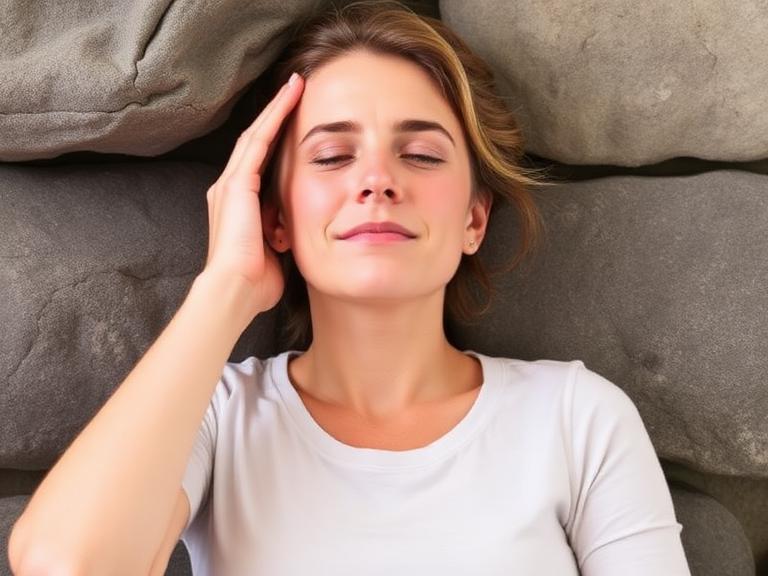
Stress is no longer just an occasional inconvenience—it has become a daily companion for millions of people around the world. From work pressure to personal responsibilities, modern life constantly pushes the human mind into overdrive. This is where stress relievers come into play, acting like a reset button for your mental and physical system. Think of your mind like a smartphone running too many apps at once; stress relief techniques help close unnecessary tabs so everything runs smoothly again.
What makes this topic even more important is how deeply stress affects both body and mind. Chronic stress doesn’t just make you feel overwhelmed—it impacts sleep, digestion, immunity, and emotional balance. That’s why learning healthy ways to manage stress is no longer optional; it’s essential for survival in today’s fast-paced world. The good news? You don’t need expensive treatments or complicated routines. Simple, natural strategies can make a huge difference when used consistently.
What Are Stress Relievers?
Stress relievers are techniques, habits, or activities designed to reduce mental tension and restore emotional balance. They work by calming the nervous system and lowering stress hormones like cortisol. These methods can be physical, mental, or emotional depending on the approach you choose.
Historically, humans have always used stress relief practices—even before the term existed. Ancient civilizations relied on meditation, breathing techniques, and physical movement like yoga to maintain inner balance. Today, science confirms what traditional wisdom already knew: stress management is essential for long-term health and emotional stability.
At their core, stress relievers help your brain shift from a “fight-or-flight” state to a “rest-and-recover” mode, allowing the body to heal and reset naturally.
How Stress Relievers Work in the Body
When you experience stress, your body releases cortisol and adrenaline. These hormones prepare you for action but can harm your health if they stay elevated for too long. That’s where stress reduction techniques step in.
Stress relievers work by activating the parasympathetic nervous system, which slows heart rate, reduces blood pressure, and promotes relaxation. For example, deep breathing signals the brain that you are safe, while physical activity burns excess stress hormones.
A simple analogy: stress is like a fire alarm that won’t stop ringing. Stress relief techniques are what finally turn it off and restore silence.
Recent research shows that practices like yoga and meditation positively influence both psychological and physiological stress responses .
Main Benefits of Stress Relievers
Emotional and Mental Benefits
Using stress relievers regularly can dramatically improve emotional stability. People often report feeling calmer, more focused, and less reactive in difficult situations. Techniques like meditation for stress help reduce anxiety and improve mood regulation.
Physical Health Improvements
Stress affects the entire body, so relieving it also improves physical health. Benefits include:
- Better sleep quality
- Lower blood pressure
- Improved immune function
- Reduced fatigue
Exercise, in particular, has been shown to regulate cortisol levels and reduce psychological distress .
Types of Stress Relievers
Natural Stress Relief Methods
Natural stress relief focuses on simple, non-medical approaches that anyone can practice daily. These include breathing exercises, mindfulness, walking, and spending time in nature.
Lifestyle-Based Stress Management
Lifestyle changes are long-term stress relievers that build resilience over time. They include:
- Healthy diet
- Regular sleep schedule
- Social connection
- Time management
Meditation for Stress
Meditation helps train your mind to stay present instead of worrying about the past or future. Even a few minutes a day can reduce anxiety and improve emotional clarity.
Exercise for Stress Relief
Exercise acts as a natural antidepressant. It releases endorphins, which improve mood and reduce stress levels.
Yoga for Stress Management
Yoga combines movement, breathing, and mindfulness. Studies show it can significantly reduce stress and improve mental well-being when practiced regularly .
Stress Management Techniques Backed by Science
Science has validated many stress management tips, especially those involving mind-body connection. One major breakthrough is the effectiveness of digital stress management tools, including mobile apps that guide meditation and relaxation exercises .
Other scientifically supported methods include:
- Deep breathing exercises
- Progressive muscle relaxation
- Guided meditation
- Physical activity
These methods work because they directly influence brain activity and hormonal balance.
Risks and Limitations of Stress Relief Methods
While stress relievers are powerful, they are not magic solutions. One common mistake is expecting instant results. Stress builds over time, and it also requires time to reduce.
Another limitation is ignoring deeper issues. If stress becomes chronic, professional help may be necessary. Self-care is important, but it is not always enough.
Step-by-Step Guide to Reducing Stress
Daily Routine for Beginners
Start simple:
- Practice 5–10 minutes of deep breathing
- Take short walks during the day
- Avoid multitasking excessively
- Sleep at consistent times
Building a Sustainable Self-Care Plan
Long-term stress management requires consistency. Think of it like fitness—you don’t get results from one workout. You build resilience through repetition.
Expert Insights and Research
Research continues to show strong links between stress relief practices and improved mental health. Yoga-based interventions, for example, have demonstrated measurable improvements in psychological well-being and reduced stress indicators .
Another key finding is that exercise not only improves mood but also regulates cortisol levels, which directly impacts stress responses .
Experts agree that combining multiple stress relief methods produces the best results, especially when tailored to individual lifestyles.
Common Mistakes to Avoid
Many beginners make mistakes such as:
- Relying only on distractions (like scrolling on social media)
- Expecting immediate emotional relief
- Ignoring sleep quality
- Not being consistent
Stress relief is not about escape—it’s about balance and long-term emotional strength.
Counseling and Professional Help
Sometimes, stress goes beyond what self-help techniques can manage. This is where counseling becomes important. Professional therapy helps uncover deeper emotional triggers and provides structured coping strategies.
Counseling is especially helpful for:
- Chronic anxiety
- Burnout
- Trauma-related stress
- Emotional overwhelm
Seeking help is not a weakness—it’s a practical step toward mental stability.
Conclusion
Stress is unavoidable, but suffering from it doesn’t have to be. With the right stress relievers, you can regain control over your emotional and physical well-being. Whether it’s meditation, exercise, yoga, or simple breathing techniques, each method offers a pathway to calmness.
The key is consistency. Small daily actions build long-term resilience. Over time, these habits reshape how your mind and body respond to pressure, creating a healthier and more balanced life.
FAQs
1. What are the most effective stress relievers?
Meditation, exercise, yoga, and deep breathing are among the most effective methods.
2. How quickly do stress relievers work?
Some techniques work instantly (like breathing), while long-term benefits build over weeks.
3. Can exercise really reduce stress?
Yes, exercise releases endorphins and helps regulate stress hormones.
4. Is meditation good for beginners?
Yes, even 5 minutes a day can significantly reduce stress.
5. What is the best natural stress relief?
A combination of sleep, exercise, and mindfulness works best.
6. When should I seek professional help?
If stress affects daily functioning or lasts long-term, counseling is recommended.