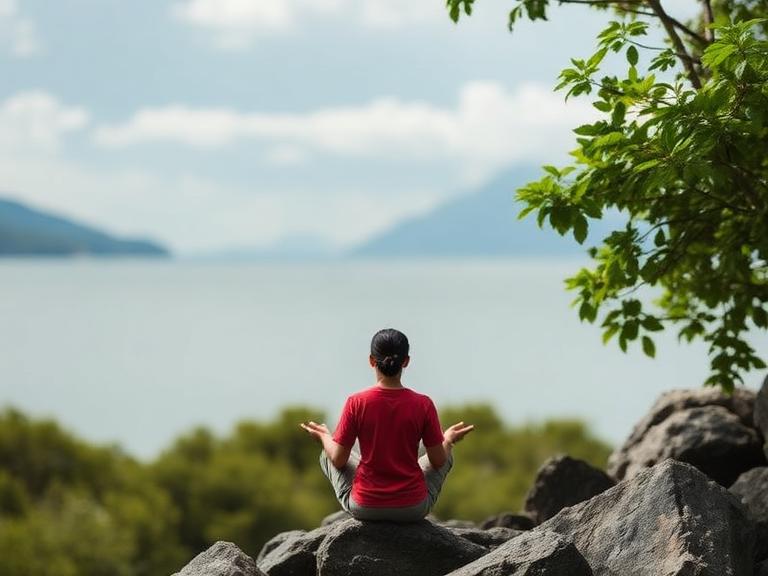
Stress has quietly become one of the biggest health challenges of modern life. Whether it comes from work pressure, financial worries, relationships, social media overload, or the constant need to “keep up,” stress can feel like carrying a heavy backpack every single day. According to the WHO stress is a natural human response, but chronic stress can seriously affect mental and physical health. Recent reports also show rising workplace stress and burnout across the globe.
The good news? Stress does not have to control your life. You can train your mind and body to respond differently. Think of stress like fire. In small amounts, it can motivate and energize you. But when left unmanaged, it can burn through your focus, sleep, relationships, and health. The secret is not eliminating stress completely—it is learning how to manage it effectively.
Below is a complete guide packed with practical, science-backed, and natural stress relief tips that can help you feel calmer, happier, and more in control.
Understanding Stress and Its Impact
Stress is not always the villain people think it is. In fact, the human body was designed to experience stress in short bursts. Thousands of years ago, stress helped humans survive dangerous situations. The body released hormones like cortisol and adrenaline to increase alertness and energy. Today, however, the problem is different. Instead of running from predators, people deal with deadlines, bills, traffic, endless notifications, and emotional pressure every day. The body reacts the same way, but the stress never fully switches off.
The result is chronic stress, and that is where problems begin. The WHO explains that prolonged stress can affect sleep, concentration, digestion, mood, and even long-term health conditions. Many people do not even realize they are stressed because stress has become normalized. Feeling exhausted all the time, snapping at small things, losing motivation, or constantly worrying are often warning signs.
Stress can quietly reshape your daily life. Imagine trying to drive a car with the handbrake slightly pulled up. The car still moves, but everything becomes harder, slower, and more exhausting. That is exactly what unmanaged stress does to your body and mind. Over time, it drains energy, weakens focus, and reduces emotional resilience. Understanding stress is the first step toward controlling it instead of letting it control you.
What Causes Stress in Modern Life
Modern stress comes from multiple directions at once. Financial uncertainty, demanding jobs, social comparison on social media, family responsibilities, and health concerns all pile up together. Recent reports from global organizations show workplace stress and burnout are rapidly increasing worldwide. Long working hours and constant connectivity through smartphones make it difficult for the brain to truly rest.
Social media has also changed the stress landscape dramatically. People constantly compare their lives with carefully edited online versions of others. This creates pressure to appear successful, productive, attractive, and happy all the time. The brain begins to feel like it is in permanent competition mode. Even relaxation becomes stressful when people feel guilty for “doing nothing.”
Relationship issues, family conflicts, and loneliness are also major stress triggers. Human beings are emotional creatures. When connections feel unstable or overwhelming, the nervous system reacts strongly. Even positive life events like getting married, moving to a new city, or starting a new job can create stress because change itself demands emotional adjustment.
Signs Your Body and Mind Are Overstressed
Stress rarely arrives with a loud announcement. Instead, it sneaks into daily habits and emotions. One of the most common signs is constant fatigue. Even after sleeping, you may still feel mentally exhausted. Another major warning sign is irritability. Small inconveniences suddenly feel huge, and patience disappears quickly.
Physical symptoms often appear before emotional awareness does. Headaches, muscle tension, stomach problems, chest tightness, and rapid heartbeat are all common stress responses. According to recent stress reports, many adults experience physical symptoms linked directly to chronic stress. The body keeps score, even when the mind tries to ignore the problem.
Emotionally, stress may cause anxiety, overthinking, sadness, lack of motivation, or difficulty concentrating. Some people become emotionally numb, while others feel overwhelmed by every small challenge. Sleep problems are also extremely common. Stress makes the brain hyper-alert, almost like a security alarm that refuses to switch off.
Why Stress Management Matters More Than Ever
Stress management is no longer a luxury reserved for vacations and spa days. It has become a survival skill for modern life. Experts now recognize that chronic stress affects not just emotional well-being but also physical health, productivity, relationships, and overall quality of life. According to recent global reports, stress-related problems are costing billions in healthcare expenses and lost workplace productivity.
One of the biggest misconceptions about stress is that strong people simply “push through it.” But ignoring stress is like ignoring a leaking roof during a storm. The longer it is neglected, the more damage it causes underneath. Stress weakens the immune system, disrupts hormones, affects digestion, and increases the risk of anxiety and depression. Over time, it can make even simple tasks feel emotionally heavy.
Managing stress effectively improves every part of life. Better focus, improved sleep, healthier relationships, stronger emotional stability, and increased energy are just a few benefits. Stress management also helps people become more resilient. Instead of collapsing under pressure, they learn how to bend without breaking.
Mental Health Effects of Chronic Stress
Chronic stress can quietly damage mental health over time. Anxiety and depression are strongly linked to prolonged stress exposure. The brain becomes trapped in a cycle of constant alertness, making relaxation feel almost impossible. Even during peaceful moments, the mind keeps scanning for problems.
Stress also affects memory and concentration. Have you ever walked into a room and forgotten why you went there? Or struggled to focus on simple tasks during stressful periods? That happens because stress hormones interfere with the brain’s ability to process information effectively.
Recent discussions from mental health organizations highlight how economic uncertainty, global tension, and workplace pressure continue to increase emotional strain worldwide. Mental stress relief techniques are becoming more important than ever because modern lifestyles rarely allow the nervous system enough recovery time.
Physical Symptoms Linked to Stress
The body and mind are deeply connected. Stress is not “just in your head.” Chronic stress can increase blood pressure, disrupt digestion, weaken immunity, and contribute to cardiovascular problems. Recent UN labor reports linked workplace stress and psychosocial risks to hundreds of thousands of deaths globally every year.
Stress often shows up physically through:
| Physical Symptom | How Stress Contributes |
|---|---|
| Headaches | Muscle tension and hormonal changes |
| Digestive issues | Gut-brain connection disruption |
| Insomnia | Increased mental alertness |
| Fatigue | Constant cortisol production |
| Muscle pain | Tightened muscles from tension |
| Rapid heartbeat | Fight-or-flight response |
Ignoring these signs can create a dangerous cycle where physical discomfort increases emotional stress, and emotional stress worsens physical symptoms.
Quick Stress Relief Tips for Instant Calm
Sometimes stress hits like a sudden storm. During those moments, quick stress relief techniques can help calm the nervous system before anxiety spirals out of control. The key is using methods that interrupt the stress response immediately.
One of the fastest ways to calm stress is controlled breathing. When people are anxious, breathing becomes shallow and rapid. This sends signals to the brain that danger is present. Slow breathing does the opposite. It tells the nervous system that the situation is safe.
Deep Breathing Techniques
A simple breathing exercise can work surprisingly fast. Try this:
- Inhale slowly for four seconds.
- Hold the breath for four seconds.
- Exhale slowly for six seconds.
- Repeat for two minutes.
This method slows the heart rate and reduces stress hormones naturally. It acts almost like pressing a reset button for the nervous system.
The Power of Short Walks
Walking is one of the most underrated stress reduction methods. Even a 10-minute walk can shift mental energy dramatically. Physical movement helps burn off stress hormones while increasing mood-boosting chemicals like endorphins.
Nature walks are especially powerful. Trees, sunlight, fresh air, and open spaces calm the brain in ways that indoor environments often cannot. Think of nature as emotional oxygen for an overstimulated mind.
Music and Mood Therapy
Music directly affects emotions. Calm instrumental music, nature sounds, or favorite songs can lower stress levels quickly. Many people underestimate how deeply sound influences mood. The right music can slow breathing, reduce tension, and create emotional comfort almost instantly.
Natural Stress Relief Methods That Actually Work
Natural stress relief techniques focus on supporting the body instead of simply masking symptoms. These methods work best when practiced consistently because they strengthen the nervous system over time.
Exercise as a Natural Stress Reducer
Exercise is one of the most effective stress management techniques available. It reduces cortisol levels while increasing endorphins, often called “feel-good hormones.” The beauty of exercise is that it does not need to be extreme. Walking, dancing, yoga, cycling, swimming, or even stretching can help.
Exercise also provides emotional release. Stress creates physical tension in the body, almost like pressure building inside a shaken soda bottle. Movement releases that pressure safely. Many people notice their thoughts become clearer after physical activity because exercise helps the brain process emotions more effectively.
Sleep and Recovery
Sleep is where the brain repairs itself emotionally and physically. Poor sleep increases stress, and stress worsens sleep quality. It becomes a frustrating cycle. According to health experts, consistent sleep routines are essential for stress reduction.
Creating healthy sleep habits can dramatically improve emotional balance. This includes limiting screen time before bed, keeping the bedroom cool and dark, and maintaining consistent sleep schedules. Sleep is not laziness—it is emotional maintenance.
Healthy Eating for Stress Control
Food affects mood more than many people realize. Highly processed foods, excessive caffeine, and sugar spikes can increase anxiety and irritability. On the other hand, balanced meals support stable energy and emotional regulation.
Foods rich in magnesium, omega-3 fatty acids, and antioxidants may help reduce stress naturally. Drinking enough water is also important because dehydration can worsen fatigue and tension. Think of your body like a machine—poor fuel eventually affects performance.
Mental Stress Relief Strategies
Mental stress relief focuses on calming the mind instead of just managing physical symptoms. Since stress often begins with racing thoughts and emotional overload, mental techniques are essential for long-term balance.
Mindfulness and Meditation
Mindfulness means paying attention to the present moment without judgment. Stress usually lives in the future through worry or in the past through regret. Mindfulness gently pulls attention back to the present.
Meditation trains the brain to become less reactive. At first, meditation can feel uncomfortable because people suddenly notice how busy their minds really are. But over time, the brain becomes calmer and more focused.
Research consistently shows meditation can reduce stress and improve emotional regulation. Even five minutes daily can create noticeable benefits.
Journaling for Emotional Clarity
Writing thoughts down can feel surprisingly therapeutic. Stress often grows stronger when emotions stay trapped inside the mind. Journaling creates emotional release and clarity.
You do not need perfect grammar or deep philosophical thoughts. Simply writing honestly about worries, frustrations, or goals can reduce mental pressure. Many people discover patterns in their stress once they start journaling regularly.
Reducing Digital Overload
Modern life bombards the brain with information constantly. Notifications, emails, social media, and endless scrolling overstimulate the nervous system. Reducing screen time can significantly improve mental calmness.
Try creating “no-phone zones” during meals, before bedtime, or during walks. Your mind needs quiet moments to recover. Silence is not empty—it is restorative.
Healthy Ways to Manage Stress at Work and Home
Stress management becomes more effective when daily habits support emotional balance instead of constantly draining it.
Setting Boundaries
Many people experience stress because they say yes too often. Boundaries protect mental energy. This could mean limiting overtime, declining unnecessary commitments, or protecting personal time.
Boundaries are not selfish. They are emotional safety rails that prevent burnout.
Time Management Techniques
Poor time management increases stress dramatically. Breaking tasks into smaller steps can make overwhelming situations feel manageable. Prioritizing important tasks instead of multitasking also improves focus and reduces mental exhaustion.
A simple daily plan creates a sense of control, which naturally reduces anxiety.
Building Strong Support Systems
Human connection is one of the most powerful stress relief tools available. Talking to trusted friends, family members, or support groups can reduce emotional isolation. According to health experts, social support improves resilience during stressful periods.
Sometimes people do not need solutions—they just need someone who listens without judgment.
Long-Term Coping Strategies for a Balanced Life
Quick fixes help temporarily, but long-term stress relief requires lifestyle changes and emotional resilience.
Developing Emotional Resilience
Resilience does not mean avoiding stress completely. It means recovering from challenges more effectively. Resilient people still experience difficulties, but they adapt instead of collapsing.
Building resilience involves healthy habits, emotional awareness, supportive relationships, and self-compassion. Think of resilience like strengthening muscles. Small daily habits gradually build emotional endurance.
When to Seek Professional Help
Sometimes stress becomes too overwhelming to manage alone. If stress causes panic attacks, severe anxiety, depression, insomnia, or affects daily functioning, professional help can make a huge difference.
Therapists, counselors, and mental health professionals provide tools and support that many people never learned growing up. Seeking help is not weakness—it is self-respect.
Conclusion
Stress is part of life, but suffering endlessly from it does not have to be. Small daily habits can completely change how the mind and body respond to pressure. Whether it is deep breathing, exercise, better sleep, mindfulness, journaling, or stronger boundaries, every healthy action acts like a brick in the foundation of emotional stability.
Modern life may always include challenges, deadlines, and uncertainty. But peace is still possible. The goal is not to create a perfect stress-free life. The goal is to become stronger, calmer, and more balanced within the chaos.
Your mental health deserves the same care and attention as your physical health. The sooner stress management becomes a priority, the easier it becomes to reclaim focus, happiness, energy, and emotional freedom.
FAQs
1. What is the fastest way to relieve stress?
Deep breathing, short walks, calming music, and mindfulness exercises are among the fastest stress relief methods. Even five minutes can help calm the nervous system.
2. Can stress affect physical health?
Yes. Chronic stress can contribute to headaches, high blood pressure, digestive problems, sleep issues, fatigue, and weakened immunity.
3. Are natural stress relief methods effective?
Absolutely. Exercise, meditation, healthy sleep, balanced nutrition, journaling, and social connection are proven natural stress reduction techniques.
4. How do I know if my stress is becoming unhealthy?
Warning signs include constant fatigue, anxiety, irritability, insomnia, trouble concentrating, physical pain, emotional numbness, and feeling overwhelmed daily.
5. When should I seek professional help for stress?
If stress interferes with work, relationships, sleep, emotional stability, or daily functioning for an extended period, speaking with a mental health professional is highly recommended.