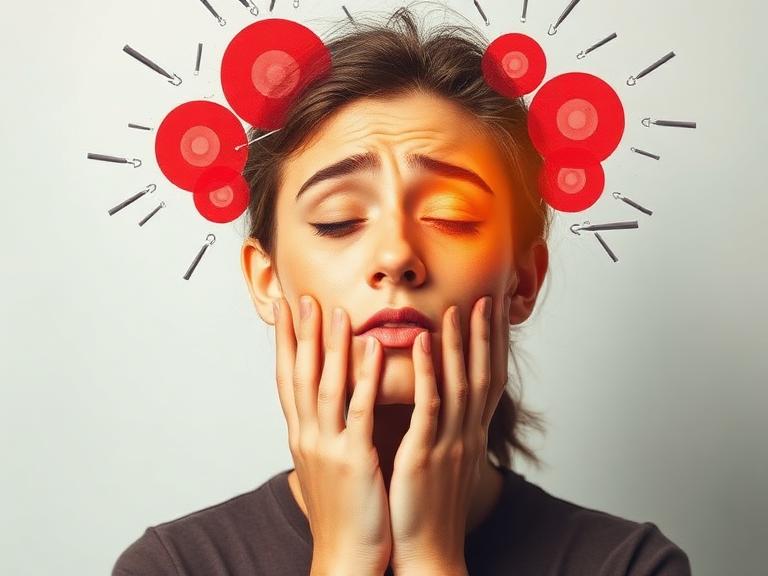
Anxiety is something almost everyone experiences at some point. A big interview, financial pressure, relationship struggles, or health concerns can make the mind race and the body tense. But anxiety disorders are very different from ordinary stress. They go beyond temporary nervousness and become persistent, overwhelming, and disruptive to everyday life. Millions of people silently battle anxious thoughts every single day while trying to maintain careers, relationships, and personal responsibilities.
According to the World Health Organisation anxiety disorders affected approximately 359 million people worldwide in 2021, making them the most common mental health disorders globally. Only about one in four individuals receives proper treatment. That gap highlights an important reality: anxiety is incredibly common, but many people still misunderstand it or avoid seeking help because of stigma, fear, or lack of awareness.
What makes anxiety disorders especially challenging is that they often hide in plain sight. Someone can appear successful and composed on the outside while internally fighting constant worry, panic attacks, racing thoughts, muscle tension, or insomnia. Anxiety can quietly shape decisions, limit opportunities, and reduce quality of life without others noticing. The good news is that anxiety disorders are highly treatable, and modern therapies, medications, and lifestyle strategies can dramatically improve symptoms.
This guide explores everything beginners and professionals need to know about anxiety disorders, from symptoms and diagnosis to treatment options like cognitive behavioral therapy (CBT), anxiety medication, stress management, and natural coping techniques. By the end, you’ll have a clearer understanding of how anxiety works and what practical steps can help reclaim mental balance.
What Are Anxiety Disorders?
Anxiety disorders are a group of mental health conditions characterized by excessive fear, worry, nervousness, and avoidance behaviors that interfere with normal functioning. Unlike everyday stress, anxiety disorders persist for weeks, months, or even years. The intensity of symptoms can affect work performance, relationships, sleep quality, physical health, and emotional well-being.
Think of anxiety as the brain’s alarm system. Under normal circumstances, this system helps humans survive danger. If a car suddenly speeds toward you, anxiety triggers quick reactions that keep you safe. But with anxiety disorders, the alarm system becomes hypersensitive. It reacts strongly even when no real threat exists. It’s like a smoke detector going off every time someone makes toast instead of only during a fire.
Historically, anxiety has been recognized for centuries, though understanding of the condition has evolved dramatically. Ancient civilizations often described anxiety as nervous suffering or emotional imbalance. Modern psychology and neuroscience now recognize anxiety disorders as legitimate medical conditions involving complex interactions between genetics, environment, brain chemistry, and life experiences.
The distinction between normal anxiety and an anxiety disorder lies mainly in duration, intensity, and impact. Feeling nervous before public speaking is normal. Avoiding all social situations for years because of overwhelming fear may indicate social anxiety disorder. Occasional stress about finances is common. Constant uncontrollable worry about multiple aspects of life may point toward generalized anxiety disorder.
Anxiety disorders can also overlap with depression, substance use disorders, chronic stress, and physical health problems. Research shows anxiety increases the risk of depression and can even contribute to cardiovascular health issues due to chronic nervous system activation. Understanding anxiety early can help prevent long-term complications and improve recovery outcomes.
How Anxiety Disorders Work
To understand anxiety disorders, it helps to know what happens inside the brain and body during anxiety. When the brain senses danger, the amygdala — a small almond-shaped structure involved in emotional processing — activates the body’s fight-or-flight response. Hormones like adrenaline and cortisol flood the bloodstream, increasing heart rate, sharpening focus, and preparing muscles for action.
This response is incredibly useful during genuine emergencies. The problem occurs when the brain incorrectly interprets harmless situations as dangerous. Someone with panic disorder may experience a pounding heart in a grocery store and instantly believe they are having a heart attack. Another person with social anxiety may interpret simple eye contact as judgment or rejection. The brain becomes trapped in a cycle of fear, anticipation, and avoidance.
Over time, anxiety disorders reinforce themselves. Avoidance behaviors temporarily reduce fear, but they teach the brain that the feared situation was truly dangerous. Imagine someone terrified of elevators. Each time they avoid using one, the brain receives confirmation that elevators must indeed be unsafe. The fear grows stronger instead of weaker.
Chronic anxiety also affects the body physically. Persistent stress hormones can contribute to headaches, digestive problems, muscle pain, fatigue, sleep disorders, and weakened immune function. Many people don’t initially realize their physical symptoms are connected to anxiety. They may visit doctors repeatedly for chest pain or stomach discomfort before recognizing the psychological component.
Modern neuroscience shows anxiety disorders involve multiple brain regions, neurotransmitters, and environmental triggers. Genetics may increase vulnerability, but life experiences often shape how anxiety develops. Trauma, childhood adversity, bullying, high-pressure environments, social isolation, or prolonged uncertainty can all contribute to heightened anxiety responses.
Interestingly, anxiety itself is not the enemy. In healthy amounts, anxiety motivates preparation, caution, and performance. The issue arises when anxiety becomes excessive and uncontrollable, turning ordinary situations into perceived threats. Effective treatment focuses not on eliminating anxiety entirely but on helping people respond to it differently and regain control over their lives.
Common Anxiety Symptoms
Anxiety symptoms vary from person to person, which is why anxiety disorders are sometimes difficult to recognize. Some individuals mainly experience emotional distress, while others struggle more with physical symptoms. In many cases, symptoms overlap and fluctuate depending on stress levels, environment, and personal circumstances.
Emotional Symptoms
Common emotional and cognitive symptoms include:
| Emotional Symptoms | Description |
|---|---|
| Excessive worry | Persistent fear about everyday situations |
| Irritability | Feeling easily frustrated or overwhelmed |
| Restlessness | Difficulty relaxing or feeling calm |
| Difficulty concentrating | Racing thoughts or mental fog |
| Fear of losing control | Feeling mentally overwhelmed |
| Anticipating danger | Expecting worst-case scenarios |
People with anxiety disorders often describe feeling mentally exhausted. Their minds constantly scan for problems, potential disasters, or hidden threats. Even positive events can trigger worry because the brain becomes conditioned to expect something to go wrong.
Physical Symptoms
Physical symptoms are equally common and sometimes mistaken for medical illnesses. These may include:
- Rapid heartbeat
- Sweating
- Shaking or trembling
- Shortness of breath
- Dizziness
- Muscle tension
- Fatigue
- Digestive issues
- Insomnia
- Chest tightness
Panic attacks are one of the most intense anxiety experiences. During a panic attack, symptoms can become so severe that people believe they are dying or losing control. Panic attacks often peak within minutes but leave lingering fear afterward.
The physical intensity of anxiety explains why many sufferers feel misunderstood. Anxiety isn’t “just worrying.” It can feel like the body is under attack even in completely safe situations.
Main Types of Anxiety Disorders
Anxiety disorders come in several forms, each with unique patterns and triggers. Understanding these categories helps identify symptoms more accurately and guides effective treatment approaches.
Generalized Anxiety Disorder
Generalized anxiety disorder (GAD) involves chronic, excessive worry about everyday life. People with GAD may constantly worry about work, health, finances, family, or future events, even when there is little reason for concern. Their minds often jump from one problem to another without relief.
Individuals with GAD frequently experience muscle tension, fatigue, irritability, and difficulty sleeping. The anxiety feels persistent and difficult to control, like carrying a mental backpack filled with endless worries.
Social Anxiety Disorder
Social anxiety disorder goes beyond shyness. It involves intense fear of embarrassment, rejection, or judgment in social situations. Speaking in meetings, attending gatherings, eating in public, or interacting with strangers may feel terrifying.
People with social anxiety often avoid opportunities that could improve their careers or relationships because the fear feels overwhelming. This avoidance can gradually lead to isolation and reduced self-confidence.
Panic Disorder and Panic Attacks
Panic disorder involves recurring panic attacks combined with fear of future attacks. These episodes often occur unexpectedly and include symptoms like chest pain, dizziness, sweating, and intense fear.
Because panic attacks feel physically dangerous, sufferers may repeatedly visit emergency rooms or avoid places associated with previous attacks. This fear cycle can severely limit daily functioning.
Phobias and Related Conditions
Specific phobias involve intense fear of particular objects or situations such as heights, flying, spiders, or needles. The fear is usually disproportionate to the actual danger but feels impossible to control.
Agoraphobia, another anxiety-related condition, involves fear of situations where escape may feel difficult. Some individuals become confined to their homes because leaving feels unsafe.
Causes and Risk Factors
There is no single cause of anxiety disorders. Instead, anxiety develops through a combination of biological, psychological, and environmental influences. Genetics can increase susceptibility, but life experiences often determine whether symptoms fully emerge.
Research suggests anxiety disorders can run in families. Certain genetic traits may influence how the brain processes fear and stress. Brain chemistry also plays a major role. Neurotransmitters such as serotonin, dopamine, and gamma-aminobutyric acid (GABA) help regulate mood and emotional responses. Imbalances may contribute to anxiety symptoms.
Environmental factors are equally important. Trauma, abuse, bullying, neglect, chronic stress, financial instability, and major life transitions can increase anxiety risk. The COVID-19 pandemic also intensified anxiety levels globally due to uncertainty, isolation, and economic disruption.
Lifestyle factors often worsen anxiety too. Poor sleep, excessive caffeine, alcohol misuse, lack of exercise, and constant digital stimulation can overstimulate the nervous system. Social media exposure and nonstop news consumption may amplify feelings of fear and comparison.
Interestingly, anxiety can also be linked to physical health conditions. A recent study highlighted associations between autoimmune diseases and increased anxiety risk. Chronic inflammation and physical illness may influence mental health more than previously understood.
Understanding these causes helps reduce shame and self-blame. Anxiety disorders are not signs of weakness or failure. They are complex health conditions shaped by many interacting factors.
Anxiety Diagnosis
Receiving a proper anxiety diagnosis is an important step toward effective treatment. Mental health professionals evaluate symptoms through interviews, questionnaires, behavioral observations, and medical history reviews.
Doctors first rule out physical conditions that may mimic anxiety symptoms, such as thyroid disorders, heart problems, vitamin deficiencies, or medication side effects. Once medical causes are excluded, mental health specialists assess symptom duration, intensity, and impact on daily functioning.
Diagnosis often follows criteria from the Diagnostic and Statistical Manual of Mental Disorders (DSM-5). Professionals evaluate factors such as:
- Frequency of worry or panic
- Avoidance behaviors
- Sleep disturbances
- Physical symptoms
- Functional impairment
- Emotional distress
One challenge with anxiety diagnosis is that many sufferers normalize their symptoms. Someone who has worried constantly since childhood may assume their anxiety is simply part of their personality. Others avoid seeking help because they fear judgment.
Early diagnosis matters because untreated anxiety can worsen over time. It may affect career performance, academic achievement, relationships, and physical health. Seeking help early increases the likelihood of successful recovery.
Anxiety Disorder Treatment Options
One of the most encouraging facts about anxiety disorders is that they are highly treatable. Many people experience significant improvement through therapy, medication, lifestyle changes, or a combination of approaches.
Cognitive Behavioral Therapy (CBT)
Cognitive behavioral therapy (CBT) is widely considered the gold standard for anxiety treatment. CBT helps individuals identify and challenge distorted thinking patterns that fuel anxiety.
For example, someone with social anxiety may automatically assume everyone is judging them negatively. CBT teaches them to evaluate evidence realistically rather than accepting anxious thoughts as facts.
Exposure therapy, a form of CBT, gradually helps people face feared situations in controlled steps. This process retrains the brain to recognize that the feared outcome is unlikely or manageable.
Anxiety Medication
Medication can also help manage anxiety symptoms, especially when anxiety significantly interferes with daily functioning. Common medications include:
| Medication Type | Purpose |
|---|---|
| SSRIs | Improve mood and reduce anxiety |
| SNRIs | Help regulate brain chemistry |
| Benzodiazepines | Short-term relief for severe anxiety |
| Beta-blockers | Reduce physical anxiety symptoms |
Medication decisions should always involve qualified healthcare professionals. Some medications work best combined with psychotherapy rather than alone.
Psychotherapy for Anxiety
Beyond CBT, other forms of psychotherapy for anxiety include acceptance and commitment therapy (ACT), psychodynamic therapy, mindfulness-based therapy, and interpersonal therapy.
Mental health counseling provides emotional support while helping individuals develop coping skills, emotional awareness, and healthier behavioral patterns.
Managing Anxiety Naturally
Natural anxiety management techniques can complement professional treatment and improve emotional resilience. While these methods may not replace therapy or medication for severe anxiety disorders, they often reduce symptoms significantly.
Exercise is one of the most effective natural tools for anxiety relief. Physical activity releases endorphins, lowers stress hormones, and improves sleep quality. Even a daily 20-minute walk can positively affect mood.
Mindfulness meditation teaches people to observe anxious thoughts without immediately reacting to them. Instead of fighting anxiety, mindfulness encourages acceptance and present-moment awareness.
Other effective anxiety relief techniques include:
- Deep breathing exercises
- Progressive muscle relaxation
- Journaling
- Healthy sleep habits
- Limiting caffeine
- Spending time outdoors
- Social connection
- Reducing screen time
Support groups can also provide powerful emotional benefits. Anxiety often creates feelings of isolation, but connecting with others facing similar struggles reminds people they are not alone.
Stress management is equally important. Chronic overload keeps the nervous system activated. Learning boundaries, time management, and self-care practices can reduce anxiety intensity over time.
Common Mistakes People Make When Managing Anxiety
Many people unintentionally worsen anxiety through habits meant to provide relief. Avoidance is one of the biggest mistakes. Avoiding feared situations temporarily reduces discomfort but strengthens long-term anxiety.
Another common mistake is seeking constant reassurance. Asking others repeatedly whether everything is okay may provide short-term comfort, but it prevents individuals from developing internal confidence and coping skills.
People also often expect anxiety to disappear completely. Recovery usually involves learning how to tolerate uncertainty and discomfort rather than eliminating anxious feelings entirely.
Self-medicating with alcohol or drugs is another risky pattern. While substances may numb anxiety temporarily, they often worsen symptoms later and increase dependency risk.
Finally, many people quit treatment too early. Therapy and medication require consistency and patience. Progress may feel gradual, but long-term improvements are often substantial.
Expert Insights and Research
Mental health experts increasingly emphasize early intervention and holistic treatment approaches for anxiety disorders. Research consistently shows that therapy, particularly CBT, produces strong outcomes for many anxiety-related conditions.
According to the WHO, approximately 4.4% of the global population currently experiences anxiety disorders. Experts also warn that social pressures, economic uncertainty, digital overload, and post-pandemic stress may continue contributing to rising anxiety rates.
Recent data from England found significant increases in anxiety-related mental health conditions among young adults, especially women. Researchers suggest modern stressors such as social media comparison, financial instability, and reduced social connection may play major roles.
Psychologists also emphasize that anxiety treatment is highly individualized. What works for one person may not work for another. Some benefit most from therapy, others from medication, and many from combining multiple strategies.
The encouraging reality is that recovery is possible. Millions of people successfully manage anxiety and live fulfilling lives through evidence-based treatment and supportive environments.
Conclusion
Anxiety disorders are among the most common mental health conditions in the world, yet they remain deeply misunderstood. Anxiety is not simply nervousness or overthinking. It is a complex condition that affects the mind, body, emotions, and behavior in powerful ways.
The good news is that effective help exists. From cognitive behavioral therapy (CBT) and psychotherapy to anxiety medication, mindfulness, and stress management techniques, there are many proven paths toward recovery. Understanding anxiety is the first step toward reducing its power.
No one needs to face anxiety alone. Seeking support is not weakness — it is one of the strongest decisions a person can make. With proper treatment, patience, and consistent self-care, anxiety can become manageable rather than overwhelming.
FAQs
1. What are the most common anxiety symptoms?
Common anxiety symptoms include excessive worry, rapid heartbeat, restlessness, sweating, muscle tension, fatigue, trouble concentrating, and panic attacks.
2. What is the best treatment for anxiety disorders?
Cognitive behavioral therapy (CBT) is considered one of the most effective treatments. Medication, psychotherapy, and lifestyle changes may also help.
3. Can anxiety disorders go away naturally?
Mild anxiety may improve with lifestyle changes and stress management, but persistent anxiety disorders often require professional treatment.
4. How long does anxiety treatment take?
Treatment duration varies. Some individuals improve within months, while others benefit from ongoing therapy and long-term coping strategies.
5. Are panic attacks dangerous?
Panic attacks are frightening but usually not physically dangerous. However, recurring panic attacks should be evaluated by a healthcare professional.