There are beautiful travel experiences, and then there are moments that genuinely stop you in your tracks. The Yi Peng Chiang Mai Lantern Festival was one of those moments for me. I had seen the dreamy Instagram photos for years — thousands of glowing lanterns floating into the sky — but honestly, I assumed it was one of those travel experiences that looked better online than in real life. I was wrong.
Standing in the middle of Chiang Mai with lanterns rising above me felt surreal, almost like watching stars detach themselves from the sky and drift upward. What surprised me most wasn’t just the beauty. It was the atmosphere. The silence before the lantern release, the soft chanting from temples, the smell of street food mixing with incense, and the feeling that everyone around me was sharing the same quiet sense of wonder. That’s what made the Chiang Mai Lantern Festival unforgettable.
If you’re wondering whether the Yi Peng Festival Thailand experience is worth planning your trip around, my answer is simple: absolutely yes. But there are also a lot of things most guides don’t tell you — like where to stay, whether the expensive tickets are necessary, what to avoid, and how to experience the festival without feeling overwhelmed. So here’s my honest travel experience and everything I wish I knew before visiting one of the best festivals in Thailand.
Why I Decided to Visit the Chiang Mai Lantern Festival
I originally planned my Thailand trip around beaches. Chiang Mai wasn’t even supposed to be the highlight. But while researching things to do in Chiang Mai, I kept seeing photos and stories about the Yi Peng Chiang Mai Lantern Festival. At first, I thought it would just be another overcrowded tourist attraction. Thailand already has plenty of festivals, and sometimes the reality doesn’t match the marketing. Still, curiosity won.
The moment I arrived in Chiang Mai, I understood why travelers become obsessed with this festival. The entire city transforms. Lanterns hang above streets, temples glow with candles, and local families gather by the river carrying handmade krathongs decorated with flowers. It didn’t feel like a staged tourist event. It felt deeply woven into the culture of northern Thailand.
One thing I appreciated was how the city balances spirituality and celebration. During the day, I explored cafes and temples. At night, the atmosphere shifted completely. Music drifted through the streets, monks performed ceremonies, and lanterns floated above the old city walls. Even before the main lantern release happened, Chiang Mai already felt magical.
If you plan to visit during festival season, arrive at least three or four days early. Hotels fill up incredibly fast, and prices rise sharply during festival week. Reports from recent tourism data showed that Chiang Mai hotels reached nearly full occupancy during the festival period, with room prices increasing significantly because of international demand.
What Is the Yi Peng Festival Thailand Celebration?
The Yi Peng Festival Thailand celebration is a traditional northern Thai festival rooted in ancient Lanna culture. The lantern release symbolizes letting go of bad luck and welcoming good fortune. Each lantern carries prayers, wishes, or personal hopes into the sky. That symbolic meaning gives the festival a surprisingly emotional atmosphere.
I noticed many visitors expecting only a photo opportunity, but locals treated the celebration with genuine respect. Families prayed together before releasing lanterns. Temples held ceremonies throughout the evening. Even the quieter moments felt meaningful. It reminded me that travel experiences become more memorable when you understand the culture behind them.
A lot of travelers confuse Yi Peng with Loy Krathong. They happen at the same time, but they are technically different festivals. Yi Peng focuses on sky lanterns, while Loy Krathong involves floating decorated baskets on water. In Chiang Mai, the two celebrations blend together beautifully. You can release a lantern into the sky and float a krathong down the river on the same evening.
That combination is one reason the Chiang Mai Lantern Festival stands out among the best festivals in Thailand. Few places in the world create this kind of atmosphere where rivers glow below while lanterns drift overhead. It genuinely feels cinematic, except you’re standing inside the scene instead of watching it on a screen.
According to recent festival guides, Yi Peng 2026 is expected to take place on November 24–25 in Chiang Mai, coinciding with Loy Krathong celebrations across Thailand.
When Is the Yi Peng Chiang Mai Lantern Festival Held?
One of the biggest mistakes travelers make is assuming the dates stay the same every year. The Yi Peng Chiang Mai Lantern Festival follows the lunar calendar, so the festival dates change annually. That means you need to check updated festival schedules before booking flights.
Current travel sources confirm that the 2026 Yi Peng Festival is expected around November 24–25. I recommend arriving at least two days before the main lantern release because the city becomes incredibly crowded right before the event. Flights sell out, traffic gets chaotic, and accommodations become expensive very quickly.
I stayed near Chiang Mai Old City, which turned out to be the perfect location. I could walk to temples, night markets, and river events without needing taxis. During festival nights, walking is often faster than driving anyway because roads become packed with people.
The weather in November is also ideal. Chiang Mai finally cools down after the rainy season, so evenings feel comfortable instead of unbearably humid. Nights were cool enough for a light jacket, especially after midnight. That cooler weather made wandering around the city far more enjoyable.
If you want the full experience, stay for at least four or five days. The lantern release is the highlight, but there are countless other things to do in Chiang Mai during festival week that deserve your time too.
Is the Chiang Mai Lantern Festival Worth It?
Yes — but only if you approach it with realistic expectations.
Instagram makes the Chiang Mai Lantern Festival look peaceful and empty. In reality, it’s crowded, noisy, and chaotic in some areas. Streets become packed shoulder to shoulder. Restaurants require reservations. Popular bridges fill with photographers hours before sunset. If you expect a private, quiet experience, you’ll probably feel disappointed.
But here’s the thing: the chaos becomes part of the energy. There’s something strangely beautiful about thousands of strangers collectively looking up at the same sky in complete awe. When the lanterns finally rise together, the crowd noise fades for a moment. Everyone stops filming. Everyone just watches.
That was the moment the festival became unforgettable for me.
I also think Chiang Mai itself deserves credit. Even outside the lantern release, the city has incredible food, friendly locals, beautiful temples, and a relaxed atmosphere that balances out the festival crowds. I visited mountain cafes during the day, explored local markets at night, and spent afternoons temple hopping around the Old City.
The festival isn’t cheap anymore, especially if you buy tickets for organized lantern events. Some premium lantern release tickets now cost between 3,500 and 5,000 Thai Baht depending on seating and transfers. But honestly, you can still experience much of the magic without spending a fortune.
Best Places to Experience Yi Peng in Chiang Mai
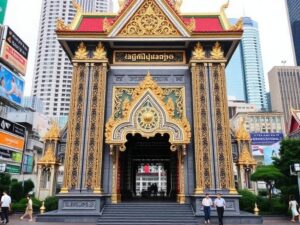
Tha Phae Gate
Tha Phae Gate quickly became one of my favorite spots during festival week. The area feels alive from sunset until late night. Street performers play music, lanterns hang above the roads, and local vendors sell snacks everywhere. I spent hours simply walking around without any real plan.
This area is ideal if you want atmosphere without paying for a ticketed event. You’ll still see lanterns, cultural performances, and huge crowds celebrating together. Arrive early though. By evening, the streets become packed.
Ping River Area
The Ping River area felt more emotional and traditional to me. Families floated krathongs into the water while candles reflected across the river surface. It felt quieter than the lantern release zones, almost meditative in some places.
I bought a small krathong from a local vendor for around 100 Baht and joined locals by the river. That simple moment became one of my favorite memories from Chiang Mai.
CAD Mass Lantern Release Event
The famous organized lantern release events are spectacular visually. Thousands of lanterns rise simultaneously in near-perfect synchronization. It honestly looks unreal.
I booked a guided event because it included transport, dinner, lanterns, and entry. Was it touristy? Absolutely. But it was also incredibly well organized and stress-free. If you hate dealing with logistics or crowds, a guided event makes life easier.
Current ticket prices for official CAD events range from roughly 4,900 THB and higher depending on ticket type.
Local Temple Celebrations
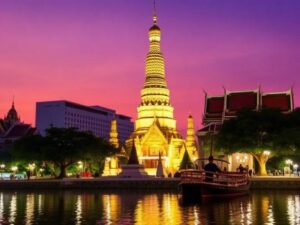
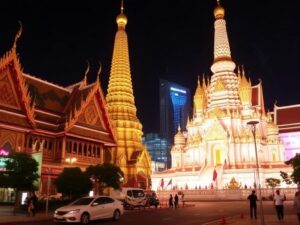
Some of my favorite experiences actually happened at smaller temples. Wat Phan Tao and Wat Chedi Luang were especially beautiful during festival nights. Monks performed ceremonies while lanterns and candles illuminated the temple grounds.
If you want a quieter and more meaningful experience, spend time at local temples instead of only chasing the biggest lantern releases.
Things to Do in Chiang Mai During Festival Week
The festival might be the main reason people visit, but there are so many other things to do in Chiang Mai that deserve attention.
Explore the Night Markets
Chiang Mai’s night markets become even livelier during festival season. I spent one evening wandering through the Sunday Walking Street Market trying random street food and shopping for handmade lantern decorations. The atmosphere felt electric but still relaxed.
Food prices were surprisingly affordable despite the festival crowds. I could grab amazing khao soi for under 100 Baht, fresh mango sticky rice for around 60 Baht, and smoothies almost everywhere.
Visit Chiang Mai Temples at Night
Temples completely transform after dark during the festival. Candles line staircases, lanterns hang from trees, and chanting echoes softly through courtyards. Wat Phra Singh especially stood out to me because of the peaceful atmosphere despite the crowds outside.
I recommend dressing respectfully and slowing down a bit inside temple grounds. It’s easy to get caught up in taking photos, but simply sitting quietly for a few minutes made the experience more memorable.
Take a Thai Cooking Class
One rainy afternoon before the main festival events, I joined a cooking class outside the city. It ended up being one of the best decisions of the trip. We visited local markets, learned to make curry paste from scratch, and cooked several northern Thai dishes.
Classes usually cost between 1,000–1,500 Baht and often include transport. It’s a great way to balance the busier festival days with something slower and more personal.
My Experience at the Lantern Release Event
Nothing really prepares you for the actual lantern release moment.
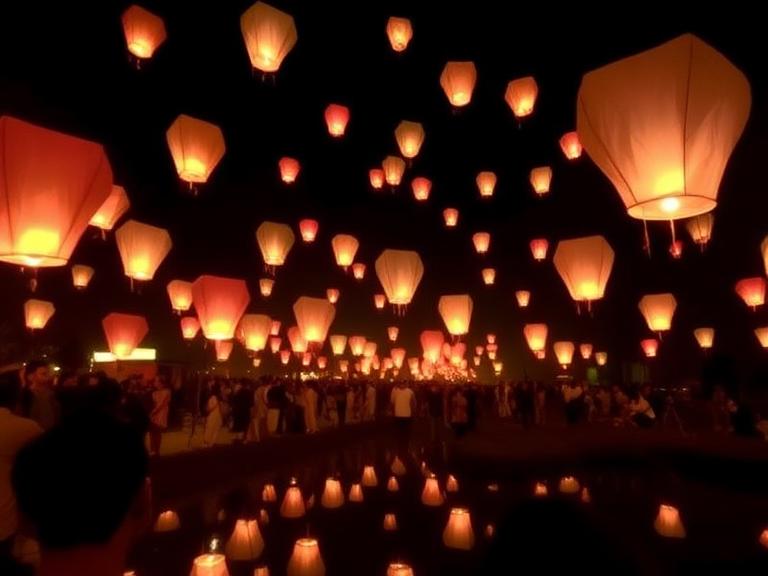
The crowd counted down together while holding glowing lanterns overhead. For a few seconds, everyone stood perfectly still. Then thousands of lanterns floated upward all at once.
The sky changed completely.
It looked less like lanterns and more like a river of stars slowly drifting higher into the darkness. Some people cried quietly. Others hugged family members or simply stood there speechless. Even people constantly filming with phones eventually lowered them and just watched.
That’s what surprised me most about the Yi Peng Chiang Mai Lantern Festival. It didn’t feel performative once the lanterns lifted. The atmosphere became strangely emotional.
I remember looking around and realizing nobody seemed rushed anymore. The crowds, noise, and stress disappeared for a few minutes. Everyone shared the same sense of wonder.
Travel experiences rarely live up to the hype. This one actually exceeded it.
Costs, Tickets, and Budget Tips
Here’s the reality: festival week in Chiang Mai is not cheap anymore.
Hotels can double or triple in price during the Yi Peng Festival Thailand celebrations. Flights into Chiang Mai also rise sharply as festival dates approach. If you’re planning to visit, book everything months ahead.
Here’s a rough breakdown of my costs:
| Expense | Approximate Cost |
|---|---|
| Mid-range hotel | 2,500–5,000 THB/night |
| Festival ticket | 3,500–5,500 THB |
| Krathong | 50–200 THB |
| Street food meal | 60–150 THB |
| Tuk-tuk rides | 100–300 THB |
I noticed many travelers debating online whether ticketed events are worth the money. Some preferred free city celebrations, while others loved the organized lantern releases despite the crowds.
Personally, I think combining both experiences works best. Spend one night exploring free public celebrations and another attending an organized lantern release if your budget allows.
Where to Stay During the Chiang Mai Lantern Festival
Location matters a lot during festival week.
I stayed near the Old City and would absolutely choose the same area again. It gave me easy walking access to temples, markets, and the river while avoiding some transport chaos.
Here’s what I’d recommend:
| Area | Best For |
|---|---|
| Old City | First-time visitors |
| Nimmanhaemin | Cafes and modern hotels |
| Riverside | Romantic atmosphere |
| Night Bazaar Area | Shopping and nightlife |
If you prefer quieter evenings, avoid staying directly beside the busiest festival roads. The crowds continue late into the night, especially around Tha Phae Gate.
Also, don’t wait too long to book. Some travelers reported nearly full hotel occupancy months before the festival.
Important Travel Tips for Yi Peng Festival Thailand
A few things I wish I knew earlier:
- Book accommodations at least 3–4 months ahead
- Carry cash because smaller vendors may not accept cards
- Wear comfortable shoes because you’ll walk a lot
- Respect temple etiquette and dress modestly
- Avoid releasing lanterns in restricted city zones
- Bring a light jacket for cooler November evenings
One important thing to remember is that lanterns can create safety risks near airports and power lines. Chiang Mai has stricter lantern rules now compared to earlier years. Organized events handle this much better than random street releases.
I’d also recommend balancing your schedule. Don’t spend every day chasing festival activities. Some of my favorite moments happened while casually exploring cafes, hidden temples, and local neighborhoods away from the busiest crowds.
Conclusion
The Yi Peng Chiang Mai Lantern Festival ended up being far more emotional and memorable than I expected. Yes, it’s crowded. Yes, it’s touristy in places. And yes, planning the trip requires more effort than a typical Thailand vacation.
But watching thousands of lanterns rise into the night sky above Chiang Mai genuinely felt magical.
What made the experience special wasn’t only the lanterns themselves. It was the mix of spirituality, celebration, culture, food, and community all happening at once. Chiang Mai already feels charming on a normal week. During Yi Peng, it becomes unforgettable.
If you’re deciding whether to experience one of the best festivals in Thailand, I’d say go for it — just plan early, stay flexible, and leave room for spontaneous moments. Those usually become the best memories anyway.
FAQs
When is the Yi Peng Chiang Mai Lantern Festival in 2026?
Current travel sources list the 2026 festival dates around November 24–25 in Chiang Mai.
Do you need tickets for the Chiang Mai Lantern Festival?
No, many public celebrations are free. Ticketed events are mainly organized mass lantern release ceremonies outside the city.
Is Yi Peng Festival Thailand crowded?
Very crowded. Hotels, streets, and restaurants become packed during festival week, especially near Tha Phae Gate and the Ping River.
What should I wear to the lantern festival?
Comfortable clothing and walking shoes work best. Bring something modest if you plan to visit temples.
How many days should I stay in Chiang Mai during Yi Peng?
I recommend at least 4–5 days to fully enjoy both the festival and other things to do in Chiang Mai.