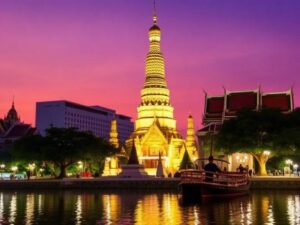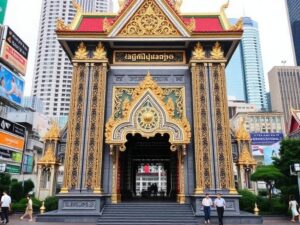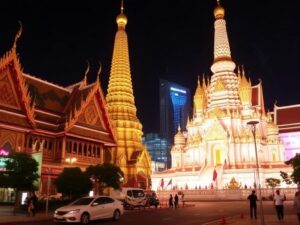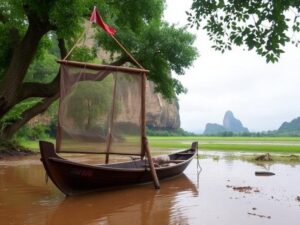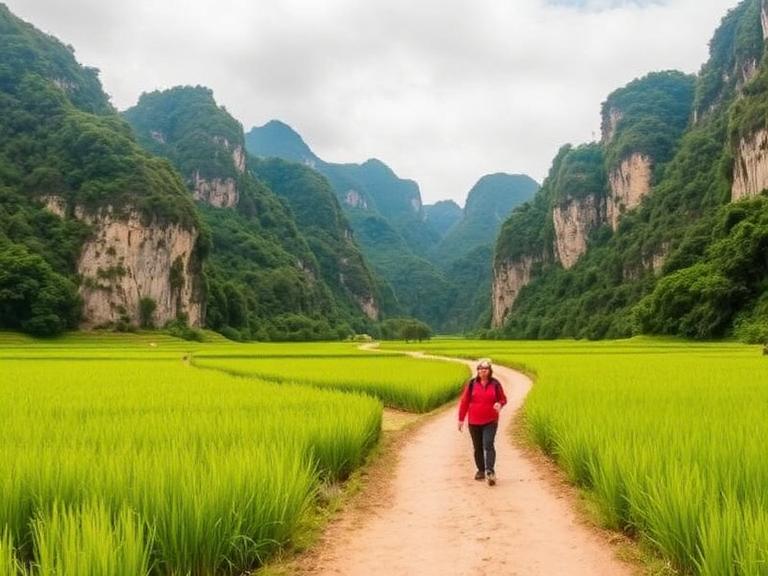
Vietnam surprised me in ways I didn’t expect. I went there thinking it would just be another affordable stop while Backpacking Southeast Asia, but it quickly became one of the most memorable countries I’ve ever explored. The chaos of Hanoi, the peaceful rice fields in Ninh Binh, the lantern-lit streets of Hoi An, and the endless bowls of pho somehow all blended into one unforgettable journey. If you’re searching for the perfect Vietnam backpacking route, this guide is exactly what I wish I had before my trip.
What makes Vietnam special isn’t just the low prices or beautiful landscapes. It’s the feeling of movement. Every overnight train, every scooter ride through mountain roads, and every tiny roadside café feels like part of a much bigger adventure. Vietnam is one of those countries where even the travel days become stories you remember later.
Tourism in Vietnam has exploded recently, with the country welcoming more than 21 million international visitors in 2025 — the highest number ever recorded. Yet despite the growing popularity, Vietnam still feels incredibly authentic compared to many other heavily visited destinations in Southeast Asia.
Why Vietnam Is Perfect for Backpackers
The first thing I noticed after arriving in Vietnam was how easy it felt to travel independently. Within a few hours of landing in Hanoi, I had already booked a cheap hostel bed, eaten an incredible bowl of pho for less than $2, and figured out how to use Grab bikes to move around the city. Vietnam rewards curious travelers. You don’t need luxury hotels or expensive tours to enjoy it. In fact, some of the best moments happen when you randomly stop at a roadside coffee shop or join strangers for cheap local beer on tiny plastic stools.
This is exactly why the country has become one of the most popular routes for people Backpacking Southeast Asia. It’s affordable, relatively safe, easy to navigate, and packed with variety. One week you’re riding motorbikes through mountain passes, and the next you’re relaxing on tropical beaches or wandering ancient towns.
Another reason I loved this Vietnam backpacking guide experience was the social atmosphere. Almost every hostel had rooftop bars, family dinners, walking tours, or day trips where travelers naturally connected. I met people from Germany, Australia, India, Canada, and Brazil — all doing different versions of the same route. Vietnam feels like a shared adventure among backpackers.
Is Vietnam Still Cheap in 2026?
Honestly, yes. Prices have increased slightly compared to a few years ago, but Vietnam is still one of the best-value destinations in Asia. Most backpackers can comfortably travel on $20–45 per day depending on their style.
Here’s roughly what I spent daily:
| Expense | Average Cost |
|---|---|
| Hostel Dorm | $6–10 |
| Street Food Meals | $1–3 |
| Coffee | $1 |
| Sleeper Bus | $10–18 |
| Grab Bike Ride | $1–2 |
| Local Beer | $0.50–1 |
I actually spent less money in Vietnam than I did in Thailand. Street food is incredibly affordable, and transport between cities is surprisingly efficient for long-distance travel.
Best Time to Follow This Vietnam Backpacking Route
Vietnam stretches across a long distance geographically, so weather changes depending on where you are. I traveled from north to south between February and March, and it was almost perfect. Hanoi felt cool and slightly misty, central Vietnam was sunny, and Ho Chi Minh City was hot but manageable.
If you’re planning your own Backpacking Vietnam itinerary, these months generally work best:
- North Vietnam: October to April
- Central Vietnam: February to August
- South Vietnam: December to April
Avoid typhoon season in central Vietnam if possible because flooding occasionally affects places like Hoi An.
My Complete 3-Week Vietnam Backpacking Route
Stop 1 – Hanoi
Hanoi felt intense the moment I arrived. Scooters flooded every street like schools of fish moving in perfect chaos. Crossing roads became an actual skill. But after two days, I started loving the rhythm of the city.
Street Food, Hostels, and Old Quarter Chaos
I stayed in the Old Quarter because it’s where most backpackers base themselves. The area is noisy, crowded, and full of energy. Every corner seemed to have tiny restaurants serving pho, bun cha, or banh mi. My favorite thing to do was simply wander without a plan and stop whenever something smelled good.
One evening, I joined a local street food tour through my hostel. It wasn’t expensive — around $15 — and it helped me try dishes I probably would have ignored on my own. If you’re nervous about Vietnamese menus at first, a guided food walk makes life easier without feeling overly touristy.
You should spend at least 3 days in Hanoi before continuing your Vietnam backpacking route.
Stop 2 – Ha Long Bay
I almost skipped Ha Long Bay because I thought it would be overcrowded and overrated. Thankfully, I didn’t.
Was the Overnight Cruise Worth It?
The limestone islands rising from the water genuinely look unreal in person. I booked a mid-range overnight cruise from Hanoi that included kayaking, meals, and transport. It cost around $65, which felt expensive compared to my backpacking budget, but the experience justified it.
Waking up surrounded by misty cliffs was one of the highlights of my trip. Some backpackers choose day trips, but I recommend spending at least one night on the water if possible. The bay becomes much quieter after the daytime crowds leave.
If you want a cheaper alternative, Cat Ba Island offers a more budget-friendly way to explore the area while still enjoying the scenery.
Stop 3 – Ninh Binh
Ninh Binh completely caught me off guard. I expected a quick stop. Instead, I stayed almost five days.
The Most Underrated Place in Vietnam
This was probably my favorite destination in the entire Backpacking Vietnam itinerary. The landscapes reminded me of Ha Long Bay, except on land. Giant limestone mountains rise above rivers, rice fields, and tiny villages.
I rented a bicycle for about $2 per day and spent hours exploring quiet roads through Tam Coc and Trang An. Unlike Hanoi, everything here felt peaceful. Mornings were filled with birdsong instead of traffic noise.
One of the best experiences was the Trang An boat ride. Local women row small boats through caves and narrow waterways surrounded by mountains. It felt cinematic without trying too hard to impress tourists.
Budget travelers will love Ninh Binh because accommodation is cheap, food is affordable, and many activities cost very little.
Stop 4 – Phong Nha
Phong Nha is where Vietnam becomes adventurous.
Cave Adventures and Motorbike Rides
The town itself is tiny, but the surrounding nature is incredible. This region is famous for some of the largest caves in the world, including Son Doong Cave.
I didn’t do the expensive expedition tours, but I joined a full-day cave tour that included Paradise Cave and Dark Cave. We kayaked, swam through caves, and covered ourselves in mud inside underground tunnels. It honestly felt like being inside an adventure movie.
Phong Nha is also popular among travelers doing the Ha Giang Loop or longer motorbike journeys through Vietnam. Even if you don’t ride yourself, you can rent scooters locally to explore nearby villages and mountain roads.
I’d recommend staying at least 2–3 nights here because transport connections can be long and tiring.
Stop 5 – Hue
Hue has a completely different atmosphere compared to northern Vietnam.
Imperial History and Local Food
The city feels slower and more traditional. I visited the Imperial City during the morning before the heat became unbearable. Walking through the ancient palaces and temples gave me a deeper understanding of Vietnam’s complex history.
Food in Hue deserves special mention. The city is known for spicy central Vietnamese dishes, and I had some of the best bun bo Hue here. Small family-run restaurants served meals that felt homemade rather than designed for tourists.
One popular route between Hue and Hoi An is the Hai Van Pass. I booked an easy rider motorbike tour instead of taking the train, and it turned out to be one of the best travel decisions I made in Vietnam. The coastal views were unbelievable.
Stop 6 – Hoi An
Hoi An is touristy. There’s no point pretending otherwise. But somehow it still feels charming.
Lanterns, Tailor Shops, and Slow Travel
At night, colorful lanterns reflect across the river while people walk slowly through the old streets. It sounds cliché, but it genuinely feels magical after sunset.
I originally planned to stay two nights and ended up staying nearly a week. Hoi An is the kind of place where backpackers accidentally slow down. Cafés are cozy, beaches are nearby, and everything feels relaxed.
One practical tip: tailor shops are everywhere. I had a custom linen shirt made for around $25, and the quality was surprisingly good. If you need backpacking clothes or lightweight travel outfits, Hoi An is a great place to get them tailored.
You can also book cooking classes, countryside bicycle tours, or snorkeling trips from here. I joined a half-day cooking experience that included a local market visit and basket boat ride.
Stop 7 – Da Nang
Most backpackers treat Da Nang as a quick stop, but I think it deserves more attention.
Beaches and Digital Nomad Cafés
Da Nang feels modern compared to other Vietnamese cities. It has wide roads, beachfront cafés, and a growing digital nomad scene. I spent several afternoons working from coffee shops near My Khe Beach while watching surfers in the distance.
Accommodation here was surprisingly affordable for a beach city. I found private hostel rooms cheaper than similar options in Thailand or Bali.
If you need a break from intense backpacking schedules, Da Nang works perfectly. It’s easy, comfortable, and still connected to nature through places like the Marble Mountains and Son Tra Peninsula.
Stop 8 – Da Lat
Da Lat felt completely different from everywhere else in Vietnam.
Vietnam’s Cool Mountain Escape
The weather suddenly became cool, pine trees appeared everywhere, and the city almost felt European in certain neighborhoods. After weeks of humidity, Da Lat was refreshing both physically and mentally.
I rented a scooter and explored waterfalls, coffee farms, and winding mountain roads. Vietnam is already famous for coffee culture, but Da Lat takes it seriously. Some cafés overlook valleys filled with mist during sunrise, creating the perfect slow-travel atmosphere.
Adventure activities are also huge here. Many backpackers book canyoning tours involving rappelling down waterfalls. I was nervous at first, but the guides were excellent, and the experience became one of the most memorable parts of my entire Vietnam backpacking guide journey.
Stop 9 – Ho Chi Minh City
Ho Chi Minh City feels faster, louder, and more modern than Hanoi.
The Energy of Southern Vietnam
The city never seems to slow down. Rooftop bars, endless traffic, trendy cafés, and buzzing markets create constant movement. Some travelers prefer Hanoi’s traditional atmosphere, but I personally enjoyed Ho Chi Minh City’s energy.
I visited the War Remnants Museum and Cu Chi Tunnels, both of which added important historical context to my trip. These places aren’t always emotionally easy to visit, but they help you understand Vietnam beyond the beautiful scenery.
Nightlife here is also stronger compared to most other Vietnamese cities. Backpacker streets like Bui Vien are chaotic but entertaining for at least one night.
If your Backpacking Vietnam itinerary ends here, spend at least 3–4 days before flying onward to Cambodia or Thailand.
Vietnam Backpacking Budget Breakdown
One reason Vietnam remains so popular is the value for money. Even with tourism increasing rapidly, it’s still possible to travel comfortably on a modest budget.
| Travel Style | Daily Budget |
|---|---|
| Shoestring Backpacker | $18–25 |
| Standard Backpacker | $30–45 |
| Comfortable Traveler | $50–70 |
Here’s where most of my money went:
| Category | Approximate Total for 3 Weeks |
|---|---|
| Accommodation | $180 |
| Food & Drinks | $150 |
| Transport | $120 |
| Activities & Tours | $250 |
| Miscellaneous | $80 |
Vietnam gives you flexibility. You can travel extremely cheaply if needed, or spend more on experiences like cruises, cave tours, and comfortable hotels without completely destroying your budget.
Travel Tips for Backpacking Vietnam
One thing I learned quickly is that Vietnam rewards flexibility. Some of my favorite experiences happened because I stayed longer in places I initially planned to rush through.
A few tips that genuinely helped me:
- Use sleeper buses for long distances to save money on accommodation.
- Download Grab immediately after arrival.
- Carry cash because many smaller restaurants don’t accept cards.
- Don’t overplan every day.
- Stay in social hostels if you’re traveling solo.
- Travel slowly whenever possible.
I’d also recommend avoiding overly packed itineraries. Vietnam looks narrow on a map, but distances between cities can still feel exhausting if you move too fast.
Conclusion
This Vietnam backpacking route ended up becoming far more than just another budget trip for me. Vietnam has this strange ability to constantly surprise you. One moment you’re drinking egg coffee in Hanoi, and the next you’re riding through misty mountain roads or eating seafood beside the ocean in Da Nang.
What I loved most was the balance. Vietnam gives you adventure, culture, affordability, chaos, beauty, and comfort all at once. It works equally well for first-time backpackers and experienced long-term travelers.
If you’re planning a bigger Backpacking Southeast Asia journey, Vietnam absolutely deserves a major spot on your route. And honestly? Don’t rush through it. Some places deserve more than quick checklists and Instagram photos. Vietnam is definitely one of them.
FAQs
Is Vietnam good for first-time backpackers?
Yes, Vietnam is one of the best countries for beginner backpackers because it’s affordable, relatively safe, and easy to navigate using buses, trains, and domestic flights.
How long do you need for a Vietnam backpacking route?
I recommend at least 3 weeks for a comfortable north-to-south trip. Two weeks is possible, but it can feel rushed.
Is Vietnam cheaper than Thailand?
In most cases, yes. Accommodation, street food, and local transport are generally cheaper in Vietnam compared to Thailand’s popular tourist areas.
What is the best route for backpacking Vietnam?
The classic route starts in Hanoi in the north and ends in Ho Chi Minh City in the south, stopping in places like Ninh Binh, Phong Nha, Hue, Hoi An, Da Nang, and Da Lat along the way.
Is Vietnam safe for solo travelers?
Vietnam is generally safe for solo travelers, including solo female travelers. Just stay aware of scams, traffic, and petty theft in crowded tourist areas.