I’ve backpacked through a lot of countries in Southeast Asia, but Vietnam stayed with me long after I left. It’s chaotic, beautiful, exhausting, exciting, and somehow comforting all at the same time. One moment I was sipping thick Vietnamese coffee in a tiny Hanoi alley, and a few days later I was crossing misty mountain roads on a motorbike near Ha Giang. That contrast is exactly why a Backpacking Vietnam trip planning guide matters so much — this country changes every few hundred kilometers.
Is Vietnam worth visiting? Absolutely. Not just because it’s affordable, although that definitely helps, but because it feels alive in a way many destinations don’t anymore. The streets buzz from sunrise to midnight, the food tastes different in every region, and the landscapes shift from rice terraces to limestone cliffs to tropical beaches. Vietnam also continues to grow rapidly as a backpacking hotspot, with tourism numbers breaking records in recent years. Vietnam welcomed over 21 million international visitors in 2025, the highest in its history.
If you’re planning your first backpacking adventure here, this Vietnam travel guide for backpackers will help you avoid common mistakes, save money, and experience the country in a more meaningful way.
Why Vietnam Is Perfect for Backpackers
The first thing that surprised me about Vietnam was how easy it felt to travel once I stopped overthinking everything. Before arriving, I had pages of notes, screenshots, maps, hostel bookings, and backup plans. Two days later, I realized most backpackers were simply figuring things out as they went. Vietnam has that effect on people. It looks intimidating at first because of the traffic, language barrier, and nonstop movement, but once you settle into the rhythm, it becomes one of the easiest countries to backpack through.
One major reason is affordability. This isn’t one of those destinations where “budget travel” still quietly drains your bank account. In Vietnam, you can genuinely travel cheaply without sacrificing experiences. I stayed in clean hostels for around $5–10 per night, ate incredible bowls of pho for less than $2, and regularly used overnight buses that saved both transportation and accommodation costs. Even guided tours were surprisingly affordable. I booked a Ha Long Bay overnight cruise through a local hostel in Hanoi, and the entire experience cost less than what I once paid for a single museum ticket in Europe.
Another reason backpackers love Vietnam is variety. Some countries feel repetitive after a week, but Vietnam constantly changes. Northern Vietnam feels rugged and adventurous. Central Vietnam slows down with beaches and historical towns. Southern Vietnam becomes energetic and tropical. That constant shift keeps long-term travel exciting.
The backpacker infrastructure is also excellent now. Hostels, buses, travel apps, and local tour operators are everywhere. Tourism growth has exploded recently, with Vietnam welcoming record-breaking visitor numbers in 2025. That means transportation is improving rapidly, and there are more backpacker routes in Vietnam than ever before.
Planning Your Vietnam Backpacking Itinerary
One of the biggest questions people ask is whether to travel north to south or the opposite direction. I started in Hanoi and finished in Ho Chi Minh City, and personally, I think that route works best. Northern Vietnam felt raw and adventurous, so beginning there gave the trip a stronger sense of discovery. By the time I reached the south, I appreciated the comfort, nightlife, and modern energy much more.
A solid Vietnam itinerary 3 weeks gives you enough time to experience all three regions without rushing too much. Here’s roughly how I split my time:
| Destination | Suggested Days | Highlights |
|---|---|---|
| Hanoi | 3 Days | Old Quarter, food tours, cafes |
| Ha Giang | 4 Days | Motorbike loop, mountain views |
| Ha Long Bay | 2 Days | Cruise, kayaking |
| Ninh Binh | 2 Days | Rice fields, boat rides |
| Hue | 2 Days | Imperial City |
| Hoi An | 3 Days | Lanterns, tailoring, beaches |
| Da Nang | 1 Day | Marble Mountains |
| Ho Chi Minh City | 3 Days | Museums, nightlife |
| Mekong Delta | 1 Day | River life |
This route became one of my favorite backpacking routes in Vietnam because it balanced nature, culture, cities, and downtime. I never felt burnt out, which is surprisingly important on long backpacking trips. Vietnam can overstimulate you if you move too quickly.
If you only have two weeks, I’d honestly skip one region instead of rushing through everything. The best travel memories usually happen when you stay somewhere longer than planned. Some of my favorite moments came from random evenings sitting on plastic stools drinking iced coffee while chatting with locals and other travelers.
A practical tip: leave some flexibility in your plans. Weather in Vietnam changes dramatically between regions. It can be cool and foggy in the north while beaches in central Vietnam are sunny and hot. That’s one of the most useful Vietnam trip planning tips I can give.
Hanoi – My Favorite Starting Point
Hanoi felt overwhelming during my first few hours there. Crossing the road felt like a real-life video game. Thousands of scooters moved in every direction, street vendors shouted from sidewalks, and the smell of grilled meat, coffee, and motorbike exhaust filled the air. But somehow, after a day or two, it became addictive.
The Old Quarter was my favorite area to stay in. I booked a hostel there because nearly every backpacker recommendation pointed to it, and honestly, it made everything easier. Food, nightlife, walking tours, and transportation were all nearby. Hanoi is one of the best places to visit in Vietnam because it combines history and chaos in such a unique way.
Food became the highlight of my time there. I joined a local street food tour on my second evening, and it completely changed how I experienced the city. Instead of nervously picking random restaurants, I learned where locals actually eat. Bun cha became my obsession after that tour. Tiny family-run restaurants served meals that tasted better than expensive restaurants elsewhere in the world.
I also recommend spending at least one slow morning just café-hopping around Hanoi. Vietnamese coffee culture is serious. Egg coffee sounded strange to me initially, but after trying it in a hidden upstairs café overlooking the street, I understood why travelers constantly talk about it.
From Hanoi, day trips are incredibly easy. I visited Ninh Binh and Ha Long Bay through hostel-organized transport. If you don’t want the stress of independent planning, those guided options genuinely help. Most tours include transfers, meals, and activities, which saves a surprising amount of time.
Ha Giang Loop Adventure
If someone asked me for the single most unforgettable part of my Backpacking Vietnam trip planning guide, I’d instantly say the Ha Giang Loop. Nothing else came close.
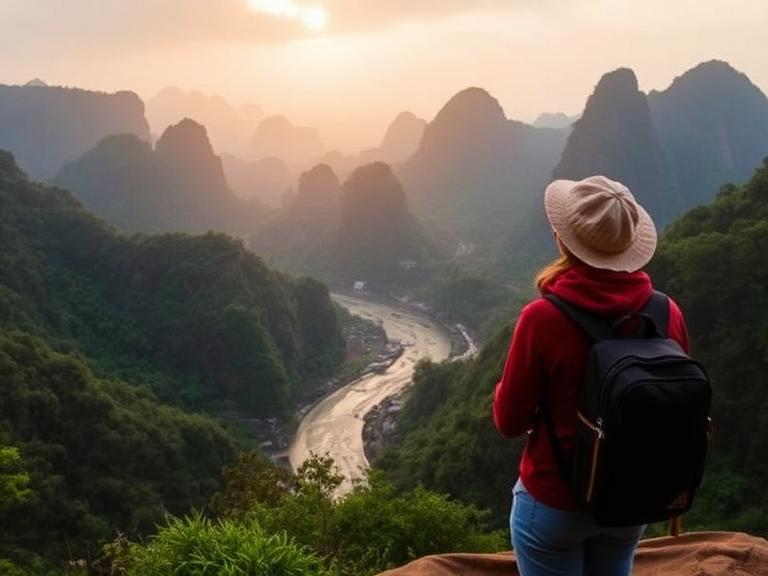
The landscapes looked unreal. Massive limestone mountains stretched endlessly into the clouds while tiny roads twisted through valleys and villages. I spent four days on the loop with a small group and an easy rider driver because I wasn’t confident enough to ride solo. That decision made the experience far more enjoyable because I could focus entirely on the scenery.
Every day felt cinematic. We stopped at viewpoints overlooking deep green valleys, drank coffee on mountain cliffs, and stayed in local homestays where huge communal dinners turned strangers into temporary families. One evening, our host poured homemade rice wine while everyone shared travel stories around a long wooden table. Those small moments made the experience special.
If you’re considering riding yourself, be realistic about your skills. The roads can be dangerous, especially during rain or fog. I met travelers who underestimated the conditions and ended up with injuries. Booking through a trusted hostel or local operator is worth it for safety alone.
Costs were surprisingly reasonable. My four-day loop package included accommodation, meals, transport, and guides for around $180. Considering how remote the region is, it felt like excellent value. Among all the things to do in Vietnam, this is probably the experience people talk about most after returning home.
Exploring Central Vietnam
Central Vietnam felt calmer after the intensity of the north. Hue introduced me to Vietnam’s imperial history, while Hoi An felt almost dreamlike at night.
Hue isn’t everyone’s favorite stop, but I actually enjoyed it. The Imperial City gave useful historical context for understanding Vietnam beyond beaches and backpacker culture. Renting a bicycle and slowly exploring the old citadel area was one of the most peaceful afternoons of my trip.
Hoi An, though, completely charmed me. Yes, it’s touristy. Yes, you’ll see endless lantern photos online. But seeing the town glow at night in person still feels magical. I spent four days there because I unexpectedly loved the slower pace. Mornings were for coffee shops and tailoring appointments, afternoons meant beach time, and evenings were spent wandering lantern-lit streets.
One thing I appreciated was how walkable Hoi An felt. After weeks of dodging scooters in bigger cities, being able to casually stroll around made a huge difference. Tailored clothes were another highlight. I had a linen shirt made within 24 hours for less than what chain stores charge back home.
I also booked a cooking class outside the city, and it ended up being one of the most memorable activities of the trip. We visited local markets, learned basic Vietnamese dishes, and cooked everything ourselves. Experiences like that add depth to a Vietnam travel guide for backpackers because they connect you with local culture beyond sightseeing.
Southern Vietnam Highlights
Ho Chi Minh City felt completely different from Hanoi. Bigger, faster, more modern, and much more international. At first, I preferred Hanoi’s character, but after a few days, Ho Chi Minh City grew on me.
The city has incredible energy. Rooftop bars sit above chaotic streets, trendy cafés exist next to traditional markets, and old apartment buildings hide modern coffee shops and boutiques inside. I stayed near District 1, which made exploring easier without constantly using transport.
The War Remnants Museum was emotionally heavy but essential. Backpacking sometimes becomes too focused on entertainment and photos, so visiting museums like this reminded me how much history shaped modern Vietnam.
Food in the south also felt noticeably different. Dishes were sweeter, portions bigger, and nightlife more active. I found some of the best banh mi of my trip in Ho Chi Minh City from a tiny roadside stand with plastic stools and no English menu.
I also took a Mekong Delta day trip. Personally, I’d recommend staying overnight instead of rushing through it. Day tours can feel hurried because operators try to fit multiple attractions into limited time. Still, cruising through narrow waterways lined with palm trees was a relaxing break from city life.
For backpackers short on time, southern Vietnam works well because transportation is efficient. Flights, buses, and trains connect major destinations quickly. That flexibility makes planning easier for travelers balancing tight schedules and budgets.
Vietnam Transportation Guide
Transportation in Vietnam deserves its own section because it honestly shapes the entire backpacking experience. You’ll probably spend more time moving between destinations here than in many other countries.
Sleeper buses became my default choice because they were cheap and surprisingly comfortable. Were they luxurious? Not exactly. But paying around $10–20 for overnight transport across long distances felt incredibly efficient. Some buses even had USB charging ports and privacy curtains.
The train system was slower but far more scenic. I took the train between Hue and Da Nang specifically because travelers kept recommending it, and they were right. The coastal views were stunning. If your schedule allows, mixing buses and trains gives a better overall experience.
Domestic flights are useful for longer distances, especially between central and southern Vietnam. Budget airlines often have cheap deals if booked early. I used flights strategically near the end of my trip when I started feeling travel fatigue.
Grab became essential in cities. It worked similarly to Uber and removed the stress of negotiating taxi prices. Honestly, apps like Grab made backpacking Vietnam far easier than I expected.
One useful Vietnam transportation guide tip: always keep small cash available. Many buses, local cafés, and smaller shops still prefer cash payments.
Vietnam Budget Travel Guide
Vietnam remains one of the best-value destinations for backpackers. That’s a huge reason why it keeps attracting budget travelers year after year.
My average daily spending ranged between $25–40 depending on activities. Some days cost almost nothing because food and accommodation were so cheap. Bigger expenses mostly came from tours, flights, or occasional private rooms when I needed better sleep.
Here’s a rough budget breakdown:
| Expense | Average Cost |
|---|---|
| Hostel Dorm | $5–10 |
| Private Room | $20–40 |
| Street Food Meal | $1–3 |
| Coffee | $1–2 |
| Sleeper Bus | $10–20 |
| Domestic Flight | $30–70 |
| Motorbike Rental | $8–15/day |
Accommodation quality also surprised me. Even cheap hostels often included air conditioning, breakfast, and social common areas. Vietnam’s backpacker scene is incredibly social, so it’s easy to meet people if you’re traveling solo.
One of my favorite Vietnam backpacking tips is avoiding overbooking accommodation. I usually booked only two or three nights ahead. That flexibility let me stay longer in places I loved and leave quickly from places I didn’t.
ATMs are easy to find in cities, but remote areas like Ha Giang require preparation. Carry enough cash before heading into mountainous regions.
Things to Do in Vietnam
There’s no shortage of unforgettable experiences in Vietnam, which is why so many travelers end up extending their trips. Some activities became highlights because of careful planning, while others happened completely by accident.
A few experiences I genuinely recommend:
- Ride the Ha Giang Loop
- Take a cooking class in Hoi An
- Try egg coffee in Hanoi
- Cruise through Ha Long Bay
- Explore caves in Phong Nha
- Wander Ho Chi Minh City at night
- Visit the Golden Bridge near Da Nang
- Take a Mekong Delta boat trip
- Eat street food daily
- Stay in family-run homestays
The best part of Vietnam isn’t necessarily the famous attractions though. It’s the feeling of constantly discovering something unexpected. Tiny cafés hidden in alleyways, conversations with locals on overnight buses, random meals that become unforgettable — those moments define backpacking here.
Vietnam also rewards slower travel. The travelers I met who enjoyed the country most weren’t the ones racing through 12 cities in two weeks. They stayed longer, adjusted plans, and let the country surprise them.
Conclusion
Looking back, Vietnam felt less like a vacation and more like a constantly unfolding story. Every region had a different personality, every bus ride introduced new people, and every city forced me to adapt in some small way. That’s what made it memorable.
This Backpacking Vietnam trip planning guide isn’t about creating a perfect itinerary because honestly, perfect travel plans rarely exist. Vietnam works best when you leave space for spontaneity. Some of my favorite experiences weren’t planned at all.
If you’re considering backpacking Vietnam, I’d absolutely encourage you to go. It’s affordable, adventurous, culturally rich, and surprisingly accessible even for first-time backpackers. The country continues attracting millions of travelers every year for good reason.
Pack light, stay flexible, eat everything, and don’t rush through it.
FAQs
Is Vietnam good for first-time backpackers?
Yes, Vietnam is excellent for first-time backpackers because transportation, hostels, and tours are easy to arrange. Costs are low, and there’s a strong backpacker community throughout the country.
How much money do I need for 3 weeks in Vietnam?
Most backpackers spend around $700–1500 for three weeks depending on activities, accommodation style, and domestic flights.
What is the best backpacking route in Vietnam?
The most popular route is Hanoi to Ho Chi Minh City, including stops like Ha Giang, Ninh Binh, Hoi An, and Hue.
Is Vietnam safe for solo travelers?
Generally yes. Petty scams exist, but violent crime against tourists is relatively rare. Staying aware and using common sense goes a long way.
What is the best time to backpack Vietnam?
March to April and October to November are usually considered ideal because weather conditions are more balanced across the country.
Should I book tours in advance?
Major tours like Ha Giang Loop or Ha Long Bay can be booked a few days ahead through hostels or local agencies. Flexibility often helps you find better options and prices.