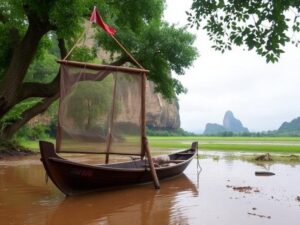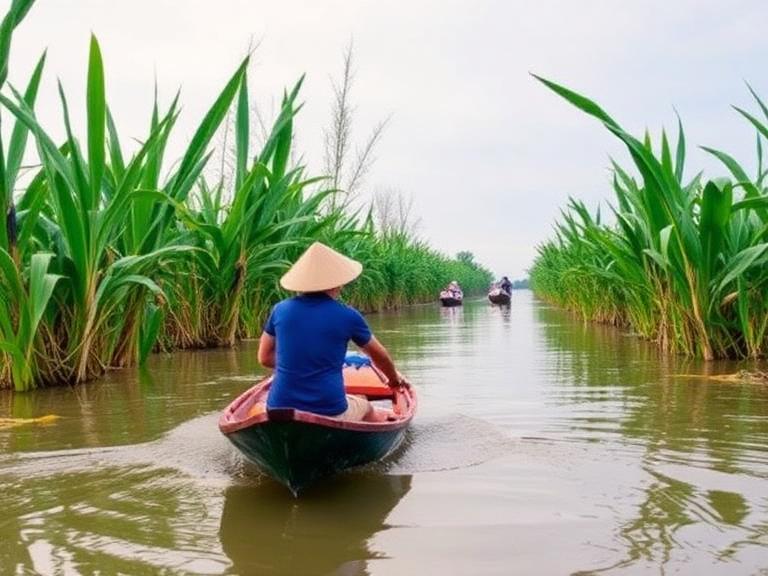
I’ll say this right away — the Mekong Delta travel guide articles I read before visiting southern Vietnam didn’t fully prepare me for how different this place actually feels. The Mekong Delta isn’t flashy like Ho Chi Minh City or postcard-perfect like Ha Long Bay. It’s slower, muddier, quieter, and somehow more memorable because of that. Life here flows with the river. Boats replace motorbikes. Floating kitchens replace cafés. Morning markets happen on water before sunrise while the rest of Vietnam is still asleep.
Was it worth visiting? Absolutely. In fact, the Mekong River Delta Vietnam experience became one of the most authentic parts of my trip. What surprised me most wasn’t the famous floating markets — it was the small moments between them. Watching an old woman serve noodle soup from a tiny wooden boat. Passing children waving from riverside homes. Hearing engines hum softly across misty canals at dawn. It felt less like sightseeing and more like briefly stepping into someone else’s everyday life.
If you’re planning a trip and wondering about the best things to do in Mekong Delta, how to visit the Can Tho floating market, or whether a Mekong Delta boat tour is actually worth the money, this guide covers everything I learned from being there myself — including costs, transport tips, timing advice, and the little details I wish I knew earlier.
Why the Mekong Delta Feels Different From Anywhere Else in Vietnam
The first thing I noticed after arriving in the Mekong Delta was the pace. Everything slows down here, but not in a lazy way. It’s more like the river decides the rhythm of daily life. In Ho Chi Minh City, traffic lights and scooters dominate the streets. In the Delta, boats drift through narrow canals carrying fruit, coffee, flowers, and entire families. Even conversations seemed softer. I spent my first evening walking near the riverfront in Can Tho, watching boats glide across the water while locals gathered for street food and iced coffee. It didn’t feel staged for tourists. That’s what made it special.
The Vietnam river life here still revolves around trade, farming, and waterways that have connected communities for generations. According to recent travel data, the Mekong Delta spans 13 provinces and contains around 40,000 square kilometers of canals, rivers, orchards, and rice fields. The region’s floating markets developed because waterways were once more practical than roads, and that history is still visible today. Boats display products on tall bamboo poles so buyers can identify goods from a distance — something locals call the “cây bẹo” system.
I honestly think this is why the Mekong Delta travel experience feels more personal than many tourist destinations in Southeast Asia. You aren’t just observing culture from the outside. You’re moving through it. Whether I was sipping Vietnamese coffee on a wooden boat or cycling past rice paddies outside Ben Tre, I constantly felt connected to everyday life rather than separated from it.
Best Time to Visit the Mekong River Delta Vietnam
Timing matters a lot in the Delta. I visited during the dry season in February, and I’m glad I did. The mornings were warm but comfortable, the skies stayed mostly clear, and sunrise boat rides felt magical instead of exhausting. Based on both my experience and recent local travel reports, the best period to visit the Mekong River Delta Vietnam is usually between November and April. During these months, rainfall is lower and river conditions are calmer, making boat tours smoother and more enjoyable.
The rainy season isn’t necessarily bad, though. Some travelers actually prefer it because the canals become greener and fruit season peaks around parts of the wet months. I met a backpacker in Can Tho who intentionally visited during September because she wanted to see fuller waterways and fewer tourists. The downside is unpredictable rain showers and muddier roads in rural areas. If you hate humidity, the wet season can feel overwhelming after a few hours outside.
One important detail most guides don’t stress enough: floating markets operate incredibly early. The famous Cai Rang floating market is busiest between 5:00 AM and 7:00 AM. By 8:30 or 9:00 AM, many traders have already left. That means staying overnight in Can Tho is usually smarter than trying a rushed day trip from Ho Chi Minh City. I almost skipped the overnight stay to save money, but waking up before dawn and seeing the market slowly come alive ended up becoming my favorite memory from the entire trip.
How I Reached the Mekong Delta From Ho Chi Minh City
Getting to the Delta was easier than I expected. I took a sleeper bus from Ho Chi Minh City to Can Tho, which cost around 180,000–250,000 VND depending on the company and departure time. The ride took roughly four hours with one short rest stop. Private transfers are faster and more comfortable, but they’re significantly more expensive. Some travelers I met booked a full Mekong Delta countryside tour directly from Ho Chi Minh City, which included transportation, lunch, and boat rides. That option makes sense if you’re short on time, although I personally preferred traveling independently because it gave me more flexibility.
One thing I quickly realized is that Can Tho works perfectly as a base for exploring the region. The city itself has a relaxed atmosphere, good food, affordable hotels, and easy access to the river. I stayed in a small riverside homestay for around $25 per night, including breakfast. It wasn’t luxurious, but waking up to boats moving quietly past my balcony felt far better than staying in a generic hotel chain.
Travel reports published recently recommend spending at least two days in the Delta instead of doing a rushed day trip. I completely agree. The area deserves time. A quick tour lets you “see” the floating markets, but staying longer allows you to actually feel the rhythm of the place. My second afternoon was spent cycling through tiny villages where children waved from hammocks and elderly locals smiled as they watered plants outside their homes. Those moments would’ve disappeared entirely on a strict day-trip schedule.
Visiting Cai Rang Floating Market at Sunrise
The alarm on my phone rang at 4:15 AM, and honestly, I almost ignored it. But by 5:00 AM, I was standing at Ninh Kieu Wharf boarding a small wooden boat under complete darkness. Within thirty minutes, the river transformed from quiet black water into organized chaos. Boats loaded with pineapples, mangoes, watermelons, and vegetables crowded the river while traders shouted across the water. This was the famous Can Tho floating market, and it looked exactly like the photos — except louder, messier, and far more alive.
The Cai Rang floating market is considered the largest floating market in Vietnam and remains one of the region’s most important trading hubs. I expected something overly touristy, but much of the activity was still genuinely commercial. Boats weren’t there just for visitors. Farmers and traders were actually buying and selling produce before sunrise. One local explained that many sellers still depend on river trade because transporting goods by water remains practical in parts of the Delta.
What I loved most was the food. Tiny boats floated beside us serving hot noodle soup, iced coffee, and grilled snacks directly on the water. I ate a bowl of hu tieu noodles while balancing awkwardly on a moving boat, which somehow made breakfast taste even better. Prices were surprisingly cheap — most dishes cost between 30,000 and 60,000 VND.
My Mekong Delta boat tour cost around 180,000 VND shared between several travelers, although private boats are available too. Most tours last two to four hours and include stops at noodle workshops, fruit gardens, or smaller canals. If you’re visiting independently, try negotiating directly at the pier early in the morning. I found prices much lower before sunrise compared to daytime tourist rates.
Best Things to Do in Mekong Delta Beyond Floating Markets
Most travelers associate the Delta only with floating markets, but there’s far more to experience once you move beyond Can Tho. One of my favorite days was spent in Ben Tre, an area famous for coconut farms and peaceful canals. Instead of crowded roads, I cycled through narrow village paths shaded by palm trees while locals sorted coconuts outside their homes. It felt like a completely different world compared to the energy of Saigon.
The boat ride through Ben Tre’s canals was quieter than the floating market experience. Here, the water narrowed into calm green pathways surrounded by dense vegetation. The guide occasionally stopped to explain how local families produce coconut candy, rice paper, and handicrafts. It never felt overly commercial because many workshops were still family-run operations. I ended up buying coconut candy mostly because the owner’s grandmother insisted I try five samples first.
Another underrated activity is simply staying in a rural homestay. My host family invited guests to help cook dinner one evening, and the experience gave me a better understanding of traditional life in Vietnam than any organized attraction could. We sat on plastic stools eating grilled fish, fresh herbs, and rice while the grandfather explained how the Delta has changed over the years. He told me roads have improved dramatically, which means some floating markets are smaller today than they were decades ago. Even so, river culture remains deeply connected to local identity.
If you enjoy photography, the Delta is incredible during sunrise and sunset. The reflections on the canals, old wooden boats, and green rice fields create scenes that barely look real. I probably took more photos here than anywhere else in Vietnam, although the moments I remember most are the ones where I forgot to take pictures entirely.
My Mekong Delta Countryside Tour Experience
One morning, I joined a small Mekong Delta countryside tour that included cycling, canal boating, and lunch at a family home outside Vinh Long. I usually avoid organized tours because they can feel rushed, but this one surprised me. Instead of moving between tourist checkpoints, the guide focused on daily routines in the villages. We stopped at a local rice paper workshop where two sisters were drying sheets under the sun while chatting casually with neighbors.
The most memorable part of the tour happened completely unexpectedly. During lunch, heavy rain suddenly started pounding the tin roof above us. Nobody panicked. The family simply continued cooking while laughing and passing around tea. We sat there listening to rain hit the river while children played nearby. It felt ordinary for them but unforgettable for me.
This was the moment when the Mekong Delta travel experience became more than sightseeing. I started noticing how connected everything is to the water — farming, transportation, cooking, trade, even social life. Boats aren’t tourist attractions here. They’re tools for daily survival and community. According to regional travel experts, floating markets developed because waterways historically served as the region’s primary transportation network. Seeing that reality firsthand gave me a completely different appreciation for the Delta.
If you’re deciding whether to book a guided experience, I’d recommend at least one small-group tour during your stay. It helps bridge the language gap and gives access to villages or workshops you’d probably miss independently. Just avoid overly packed itineraries trying to cover the entire Delta in one day. This region rewards slow travel far more than rushed checklists.
Food Experiences I’ll Never Forget
Food in the Delta deserves its own section because it became one of the highlights of my trip. Southern Vietnamese cuisine already tends to be sweeter and fresher than northern dishes, but meals in the Delta felt especially connected to the surrounding rivers and farms. Nearly every dish included herbs picked nearby, tropical fruit, or fish caught locally.
The floating noodle boats at Cai Rang floating market were amazing, but some of my favorite meals happened in tiny roadside restaurants where nobody spoke English. One evening, I tried elephant ear fish wrapped in rice paper with herbs and dipping sauce — a local specialty that several travelers recommended to me earlier. Recent travel guides estimate the dish usually costs between 120,000 and 200,000 VND depending on restaurant size and portion. It looked intimidating at first because the fish is served upright, almost like edible artwork, but it tasted fantastic.
Coffee culture here also surprised me. I’d sit beside the river every morning drinking strong Vietnamese iced coffee while watching boats move past slowly. There’s something oddly calming about hearing water splash against wooden hulls before the city fully wakes up. These quiet routines became part of my daily rhythm after only a few days.
One practical tip: carry cash everywhere. Many smaller food stalls and river vendors don’t accept cards. Also, don’t skip fruit tastings. The Delta produces incredible tropical fruit, and I probably ate more mango, rambutan, and dragon fruit during this trip than during the previous five years combined.
Practical Travel Tips for Visiting the Mekong Delta
If you’re planning your own Mekong Delta travel guide itinerary, a little preparation makes a huge difference. First, wake up early. I know every guide says this, but it’s genuinely essential here. Floating markets are sunrise experiences, not afternoon attractions. Missing the early hours completely changes the atmosphere.
Second, pack light clothing because humidity can feel intense even during dry season. I made the mistake of wearing jeans on my first day and regretted it almost immediately. Breathable clothes, sunscreen, insect repellent, and waterproof bags are all useful. Morning boat rides can also get surprisingly windy, so bringing a light jacket isn’t a bad idea.
Budget-wise, the Delta remains one of the more affordable areas in Vietnam. Based on both my spending and current travel prices, here’s a rough idea of daily costs:
| Expense | Average Cost |
|---|---|
| Local meal | 40,000–120,000 VND |
| Coffee | 15,000–25,000 VND |
| Floating market boat tour | 150,000–250,000 VND |
| Mid-range hotel or homestay | $20–40 USD |
| Bus from Ho Chi Minh City | 180,000–300,000 VND |
Another thing worth mentioning is responsible travel. Some recent visitors have raised concerns online about plastic waste in parts of Can Tho and surrounding waterways. I noticed this too in certain areas. Bringing a reusable water bottle and avoiding unnecessary plastic helps, even in small ways. The Delta’s beauty depends heavily on its rivers staying healthy.
Conclusion
The Mekong Delta travel guide posts online often focus heavily on boat tours and floating markets, but the real magic of this region comes from its atmosphere. It’s the feeling of drinking coffee beside the river before sunrise. It’s hearing market vendors shout across the water while eating noodles on a rocking boat. It’s cycling through villages where life still moves according to canals and harvest seasons rather than schedules and traffic lights.
I went expecting a quick tourist stop and left feeling emotionally connected to the place in a way I didn’t anticipate. The Vietnam floating markets are definitely worth seeing, especially the unforgettable Cai Rang floating market, but don’t rush the experience. Stay overnight. Take smaller roads. Eat at family-run restaurants. Talk to locals when possible. The slower you travel here, the more rewarding it becomes.
If you’re building a Vietnam itinerary, I genuinely think the Delta deserves more than a rushed day trip. It may not have the dramatic landscapes of northern Vietnam, but it offers something equally valuable — a glimpse into a version of Vietnamese life that still feels deeply rooted in tradition, rivers, and community.
FAQs
Is the Mekong Delta worth visiting?
Yes, especially if you want to experience authentic Vietnam river life beyond major tourist cities. The Delta offers floating markets, countryside villages, canal tours, and local food experiences that feel very different from places like Hanoi or Ho Chi Minh City.
How many days do you need in the Mekong Delta?
I’d recommend at least two to three days. A single day trip feels rushed, especially if you want to visit the Can Tho floating market properly at sunrise and explore smaller villages afterward.
What is the best floating market in Vietnam?
The Cai Rang floating market near Can Tho is widely considered the most famous and active floating market in Vietnam. It’s best visited between 5:00 AM and 7:00 AM.
What is the best way to explore the Mekong Delta?
A combination of independent travel and a small-group Mekong Delta boat tour works best. Staying overnight in Can Tho or Ben Tre allows you to explore at a slower pace without rushing.
Is the Mekong Delta expensive?
No, it’s relatively affordable compared to many tourist destinations in Southeast Asia. Food, accommodation, and transportation are generally budget-friendly, especially outside luxury cruises.
When should I visit the Mekong Delta?
The dry season from November to April is usually considered the best period because weather conditions are more comfortable for boat rides and outdoor activities.