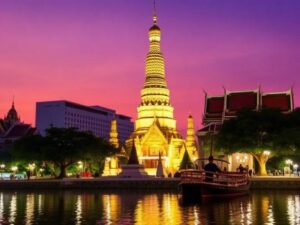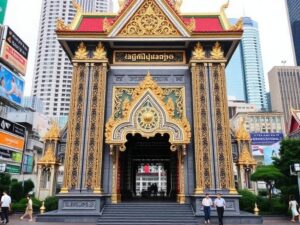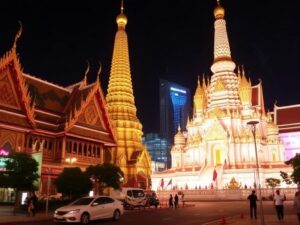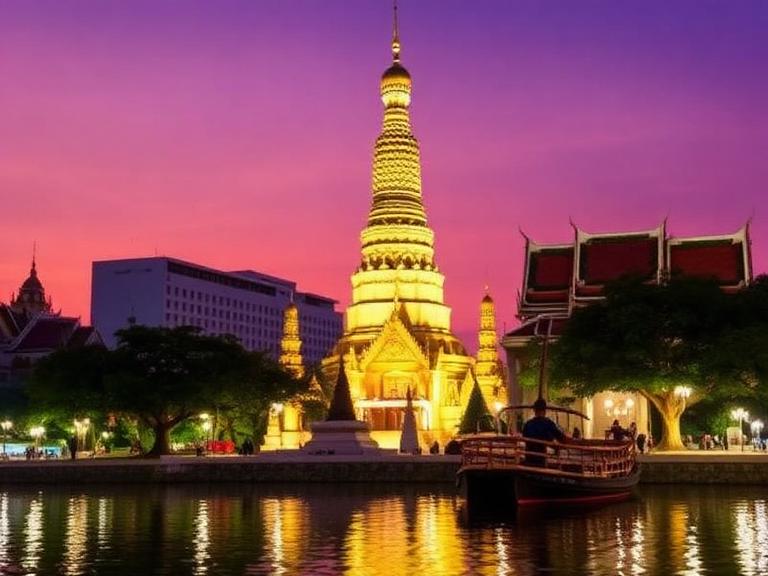
Bangkok surprised me in ways I never expected. Before my first trip, I imagined nonstop traffic, unbearable heat, and crowded streets filled with tourists holding selfie sticks. And yes, parts of that stereotype are true. But the moment I stepped out near the Chao Phraya River during sunset, with the scent of grilled street food floating through the air and golden temple rooftops glowing under the evening sky, I realized why so many travelers keep returning to Thailand’s capital. Choosing the best time to visit Bangkok completely changes the experience. Visit during the right season, and the city feels energetic, colorful, and strangely addictive. Visit during the wrong week for your travel style, and the humidity alone can drain every ounce of enthusiasm from your itinerary.
What I love most about Bangkok is how every season tells a different story. Winter months feel lively and comfortable, summer brings chaotic festivals and intense heat, while the monsoon season transforms the city into a moody cinematic landscape with fewer tourists and cheaper hotels. I’ve experienced Bangkok during both peak tourist season and rainy season, and honestly, each trip felt like visiting a completely different city. That’s why understanding Bangkok weather by season matters more than most travelers realize.
If you are planning your first Thailand trip or wondering when to book flights, this detailed Bangkok travel guide will help you choose the perfect season based on weather, crowds, prices, and personal travel style.
Why Bangkok Feels Different in Every Season
The first thing I noticed about Bangkok was how alive the city feels no matter what time of year you visit. Some cities depend heavily on weather to create atmosphere, but Bangkok somehow keeps its pulse going constantly. Still, your experience changes dramatically depending on the season. During my December trip, I comfortably walked through temples for hours without feeling exhausted. But when I returned in April, even a short walk between markets felt like stepping into a sauna with traffic fumes mixed into the humidity.
That contrast made me realize why researching the best time to visit Bangkok matters so much. Bangkok has three major seasons instead of four: cool season, hot season, and rainy season. According to recent travel data, most tourists prefer visiting between November and February because temperatures stay relatively comfortable around 25–30°C with lower humidity.
Still, there’s no universally perfect month because every traveler wants something different. Some people prioritize cooler weather, while others want cheaper hotels or fewer crowds. A backpacker on a tight budget may love monsoon season discounts, while a family visiting for the first time might prefer winter’s predictable weather. Bangkok adapts to all kinds of travelers, which is part of its charm.
One thing I quickly learned is that Bangkok rewards flexibility. You can spend the morning exploring temples, hide in an air-conditioned café during peak afternoon heat, then end the evening on a rooftop bar watching thunderstorms roll over the skyline. That balance between chaos and comfort is what makes Bangkok unforgettable.
Understanding Bangkok Weather by Season
Cool and Dry Season (November to February)
If someone asked me for the easiest answer to the best time to visit Bangkok, I’d probably say November to February without hesitation. This is the season where Bangkok feels most accessible, especially for first-time visitors. The humidity drops slightly, rainfall becomes less frequent, and sightseeing feels manageable instead of physically exhausting.
I visited Bangkok in January, and honestly, it felt almost perfect for walking around outdoor attractions like the Grand Palace and Wat Arun. The mornings were warm but comfortable, and evenings near the river felt surprisingly pleasant. Travel experts consistently rank this period as Bangkok’s peak travel season because of the favorable weather conditions.
The downside? Crowds. Tourist hotspots become packed during this season. Hotels near Sukhumvit and Siam can also become significantly more expensive. I remember checking prices for a riverside hotel in December and noticing rates nearly double compared to rainy season months.
Still, if comfort matters more than budget, this season is absolutely worth it. Temple tours, floating markets, rooftop dining, and river cruises all feel far more enjoyable when you are not battling extreme heat or heavy rain.
Hot Season (March to May)
Bangkok’s hot season is not just “summer.” It feels like the city has been placed directly under a giant magnifying glass. Temperatures regularly climb above 35°C, and the humidity makes it feel even hotter. I visited in April once, and even locals joked that walking outside at noon felt like entering a giant oven.
But here’s the interesting part: this season has its own energy. The streets feel louder, nightlife becomes more active, and the famous Songkran Festival transforms Bangkok into the world’s biggest water fight. During Songkran, everyone from tourists to office workers joins in throwing water across the city. It sounds chaotic because it absolutely is chaotic.
If you can tolerate heat, this season offers some surprising advantages. Flights and hotels often become cheaper outside Songkran week, and indoor attractions like shopping malls, cafés, and food courts become perfect escapes from the weather. Bangkok’s mega malls almost feel like mini cities with cinemas, restaurants, spas, and entertainment centers all under one roof.
Travelers often underestimate how draining the heat can become though. My biggest tip is simple: plan outdoor activities early in the morning or after sunset. Midday exploration during April can quickly ruin your energy levels.
Bangkok Monsoon Season Travel (June to October)
Before visiting Bangkok during rainy season, I imagined nonstop storms and flooded streets everywhere. Reality turned out very different. Yes, it rains often during monsoon season, but in many cases the rain comes in intense afternoon bursts lasting one or two hours rather than entire days.
I actually enjoyed parts of monsoon season more than expected. The city looked greener, tourist crowds felt thinner, and hotel prices dropped noticeably. One boutique hotel near Chinatown cost me almost 40% less compared to winter rates.
The rain also creates a strangely cinematic atmosphere in Bangkok. Neon lights reflecting on wet streets, tuk-tuks speeding through puddles, and steam rising from food stalls make the city feel incredibly atmospheric. Of course, flooding can occasionally disrupt transportation, especially in September and October when rainfall peaks.
For budget travelers, though, Bangkok monsoon season travel can be a fantastic option. You just need realistic expectations and a flexible itinerary.
Best Time to Visit Bangkok for First-Time Travelers
If it’s your first trip to Thailand, I strongly recommend visiting Bangkok between November and February. This period offers the smoothest introduction to the city because the weather is easier to handle, public transportation feels less exhausting, and outdoor sightseeing becomes genuinely enjoyable instead of physically demanding.
During my first Bangkok trip, I spent entire days exploring temples, taking river ferries, wandering through Chatuchak Market, and eating street food without constantly searching for air conditioning. That comfort matters more than many travelers realize. When weather conditions are manageable, you naturally become more curious and adventurous.
This season is especially ideal for exploring famous Bangkok tourist attractions like:
| Attraction | Best Season | Approximate Entry Cost |
|---|---|---|
| Grand Palace | Nov–Feb | ฿500 |
| Wat Arun | Nov–Feb | ฿100 |
| Chatuchak Market | Dec–Feb | Free |
| Chao Phraya Cruise | Nov–Feb | ฿800–2000 |
| Floating Markets | Nov–Feb | ฿100–300 |
The only real drawback is pricing. Flights from India, Europe, and the Middle East usually rise significantly during winter months. Hotels near central tourist areas also fill quickly, especially around Christmas and New Year.
If you prefer balancing decent weather with lower prices, late October or early November can be a sweet spot. You still get improving weather conditions while avoiding peak-season crowds.
Bangkok Winter Travel Experience
Exploring Temples Comfortably
One of my favorite memories from Bangkok winter travel was visiting Wat Pho just after sunrise. The weather felt calm, monks quietly moved through temple corridors, and the giant Reclining Buddha glowed under soft morning light. Had I visited during peak summer heat, I honestly don’t think I would have stayed nearly as long.
Winter months make temple-hopping significantly easier. You can comfortably combine multiple attractions in one day without feeling completely exhausted. I usually started my mornings around 8 AM, explored major temples until early afternoon, then relaxed at riverside cafés during sunset.
Temples also feel more photogenic during this season because skies stay clearer and humidity is lower. If you enjoy photography, winter is easily the best period for capturing Bangkok’s golden temples and skyline views.
River Cruises and Night Markets
Bangkok becomes especially magical after sunset during cool season months. I booked a dinner cruise along the Chao Phraya River one January evening, and it ended up becoming one of the highlights of my entire Thailand trip. Watching illuminated temples glide past while eating spicy Thai curry felt surreal.
Night markets also become much more enjoyable during cooler months. Places like Jodd Fairs and Asiatique stay lively late into the evening without the unbearable humidity that summer sometimes brings.
A typical evening in Bangkok during winter feels almost cinematic:
- Street musicians playing near markets
- Food vendors grilling seafood beside neon signs
- Rooftop bars buzzing with travelers
- Ferries crossing the river under glowing temples
That atmosphere alone explains why winter remains the best time to visit Bangkok for so many travelers.
Bangkok Summer Vacation Guide
Surviving the Heat Like a Smart Traveler
I won’t sugarcoat it — Bangkok’s summer heat can feel intense. But surprisingly, I still enjoyed my April trip because I adjusted my schedule instead of fighting the weather.
The key to surviving a Bangkok summer vacation is pacing yourself. I stopped trying to cram eight attractions into one day and focused on slower exploration. Mornings became sightseeing hours, afternoons turned into café breaks or mall visits, and evenings were reserved for food tours and rooftop bars.
Bangkok’s public transportation helps enormously during hot season. The BTS Skytrain and MRT subway are air-conditioned lifesavers. I also relied heavily on Grab rides instead of long walks during midday.
Hydration becomes critical too. Street vendors selling fresh coconut water became my unofficial travel companions throughout the trip.
Songkran Festival Experience
Songkran deserves its own section because it completely changes Bangkok’s atmosphere. Celebrated every April, Thailand’s New Year festival turns entire streets into giant water battles.
At first, I thought it would feel touristy and overhyped. Instead, it became one of the most unexpectedly joyful travel experiences I’ve ever had. Families, tourists, teenagers, and even police officers joined the celebrations.
If you plan visiting during Songkran:
- Protect your phone with waterproof covers
- Expect traffic disruptions
- Book hotels early
- Wear lightweight clothing
- Prepare to get soaked constantly
It’s messy, loud, and chaotic — but somehow incredibly fun.
Best Places to Visit in Bangkok by Season
The season you choose affects which places to visit in Bangkok feel most enjoyable.
During winter, outdoor attractions dominate the experience. I loved exploring:
- Grand Palace
- Wat Arun
- Chinatown walking streets
- Chatuchak Weekend Market
- Chao Phraya river ferries
During summer, indoor experiences become more appealing:
- Siam Paragon
- ICONSIAM
- Bangkok Art and Culture Centre
- Hidden cafés
- Rooftop restaurants
Rainy season works surprisingly well for:
- Food tours
- Spa experiences
- Cooking classes
- Café hopping
- Temple visits during lighter rain periods
One thing I appreciated about Bangkok is how adaptable the city feels. Even heavy rain rarely shuts down the experience completely. Locals simply continue with daily life, umbrellas appear instantly, and food stalls somehow keep operating no matter the weather.
Bangkok Tourist Attractions You Shouldn’t Miss
Every Bangkok itinerary should include a mix of culture, food, nightlife, and local neighborhoods. The city works best when you balance famous attractions with slower personal moments.
Some of my favorite Bangkok tourist attractions include:
- Wat Pho for its peaceful atmosphere
- Chinatown for incredible street food
- Khao San Road for backpacker energy
- ICONSIAM for luxury shopping and riverside views
- Lumpini Park for a quiet escape from traffic
I also highly recommend taking at least one guided food tour. I joined an evening street-food tour around Yaowarat Road, and it completely changed how I viewed Thai cuisine. Instead of randomly guessing what to order, I learned about ingredients, local customs, and hidden stalls I would never have discovered alone.
Tours in Bangkok generally remain affordable too. Most guided temple tours or food experiences range between ฿800–2500 depending on duration and inclusions.
Budget Tips for Every Season
Bangkok can fit almost any travel budget, but timing affects costs dramatically.
| Season | Hotel Prices | Crowds | Weather |
|---|---|---|---|
| Nov–Feb | High | Heavy | Cool & Dry |
| Mar–May | Moderate | Moderate | Extremely Hot |
| Jun–Oct | Lowest | Light | Rainy |
I personally found rainy season surprisingly budget-friendly. Flights were cheaper, boutique hotels offered discounts, and attractions felt less crowded. If you don’t mind occasional rain, this can be the smartest season financially.
Winter travelers should book accommodation at least 2–3 months early, especially around holidays. According to recent travel reports, Bangkok’s peak season regularly sees the highest hotel occupancy and airfare prices.
Street food also helps keep Bangkok affordable year-round. Some of my best meals cost less than ฿100, while still tasting better than expensive restaurant dishes back home.
Conclusion
After visiting Bangkok during different seasons, I realized there isn’t one universal answer to the best time to visit Bangkok. It depends entirely on what kind of traveler you are. If you want comfortable sightseeing weather and don’t mind crowds, winter months are ideal. If you enjoy festivals and vibrant energy, summer delivers unforgettable experiences. If budget matters most, rainy season can actually become surprisingly rewarding.
Bangkok is chaotic, humid, loud, and sometimes overwhelming — but that’s exactly what makes it unforgettable. Every season adds a different layer to the city’s personality. One trip might give you glowing temple sunsets and cool evening markets, while another gives you thunderstorms, hidden cafés, and quieter streets.
No matter when you visit, Bangkok has a way of pulling you into its rhythm. And once that happens, chances are you’ll already start planning your next trip before the first one even ends.
FAQs
What is the best month to visit Bangkok?
January and February are generally considered the best months because temperatures stay relatively comfortable, humidity is lower, and rainfall is minimal.
Is Bangkok worth visiting during monsoon season?
Yes, especially for budget travelers. Rain usually comes in short bursts rather than lasting all day, and hotel prices are significantly cheaper.
How many days are enough for Bangkok?
I recommend spending at least 4–5 days in Bangkok. That gives you enough time for temples, markets, food tours, shopping, and day trips without rushing.
What is the hottest month in Bangkok?
April is usually the hottest month, with temperatures often exceeding 35°C alongside high humidity.
Is Bangkok expensive for tourists?
Bangkok can be very affordable compared to many global cities. Budget travelers can comfortably enjoy street food, public transport, and budget hotels without spending heavily.