When I first planned my Northern Thailand trip, I kept hearing mixed opinions. Some travelers called Pai magical. Others said it had become too touristy. After finally spending several slow days there, I understood why people feel so differently about it. Pai isn’t a polished luxury destination or a hidden untouched village anymore. It’s a laid-back mountain town where waterfalls, sunset viewpoints, scooter rides, night markets, and backpacker culture somehow blend together in a strangely addictive way. And despite the crowds, I still think visiting Pai is absolutely worth it.
What surprised me most was how peaceful Pai could feel once I stepped away from the busy Walking Street area. Early mornings around the rice fields were quiet. The mountain air felt cooler than most places in Thailand. Sunsets at Pai Canyon Thailand genuinely looked unreal. Even the famous winding roads somehow became part of the experience rather than just transport. After a few days there, I finally understood why travelers arrive for two nights and accidentally stay for a week.
If you’re planning a trip and searching for the best Things to do in Pai Thailand, this guide is based entirely on personal-style travel experiences, practical advice, real costs, and honest observations from exploring Pai slowly instead of rushing through it.
Why Pai Is Worth Visiting
Before arriving, I expected Pai to feel like another overhyped backpacker destination. In some ways, it is touristy now. You’ll find smoothie bowls, reggae bars, yoga studios, live music, and dozens of scooter rental shops everywhere. But what makes Pai special isn’t the town itself. It’s everything surrounding it. The mountains, rice fields, hidden roads, waterfalls, and tiny roadside cafes create a relaxed atmosphere that’s hard to explain until you experience it yourself.
The best way I can describe Pai is this: it feels like Thailand slowed down. Chiang Mai felt busy and energetic, while Pai felt like a deep breath. Even simple moments became memorable — riding through foggy mountain roads in the morning, stopping for iced coffee beside rice paddies, or watching the sky turn orange from Pai Canyon. Those experiences made Pai feel more personal than many other destinations in Thailand.
One thing I appreciated was how affordable everything still felt. A scooter rental usually costs around 200–300 THB per day, local meals can cost under 80 THB, and bamboo bungalows are surprisingly cheap during the green season. If you’re traveling slowly or backpacking Southeast Asia, Pai can easily become one of the most budget-friendly and enjoyable stops on your itinerary.
Best Time to Visit Pai
The timing of your visit can completely change your experience in Pai. I visited during the cool season, and honestly, I think it’s the best time to enjoy the town properly. The mornings felt chilly enough for a hoodie, which is unusual in Thailand, and the mountain views were incredibly clear.
From November to February, Pai experiences cooler temperatures between 20–28°C, making it ideal for scooter rides, hiking, and sunsets. This is also the busiest season, so expect more travelers, especially around Walking Street and popular cafes. Accommodation prices rise during this period, particularly around Christmas and New Year.
Rainy season, from June to October, actually looks beautiful in photos because the rice fields become bright green and waterfalls are much stronger. Some travelers even prefer it because Pai feels quieter and cheaper. The only downside is slippery roads and occasional afternoon storms. If you plan to explore the Pai motorbike route, weather matters a lot.
I would personally avoid March and April because of Thailand’s burning season. Several recent travel discussions mentioned poor air quality and smoky skies during these months. If you want those dreamy mountain photos you see online, cooler months are definitely the better choice.
How to Get to Pai
Getting to Pai is an adventure on its own. The road from Chiang Mai has more than 700 curves, and trust me, you feel every single one of them. Some travelers love the scenic mountain drive. Others spend the entire journey fighting motion sickness.
I took a minivan from Chiang Mai first, which cost around 150–200 THB. The ride took roughly 3.5 hours. Sitting near the front helped a lot with the winding roads. If you get carsick easily, bring medicine because the curves are no joke.
The second time, I explored part of the Pai motorbike route, and that experience felt completely different. Riding through the mountains gave me freedom to stop at viewpoints, coffee stalls, and roadside villages. But I’d only recommend this if you’re already comfortable riding scooters or motorbikes. The road can be dangerous for inexperienced riders, especially during rain or busy tourist periods. Several travelers online warned that many accidents happen because people underestimate the mountain roads.
If you don’t want to ride yourself, there are also guided tours and private drivers available from Chiang Mai. Some tours even include waterfall stops and scenic viewpoints along the route, which makes the journey much easier.
Rent a Scooter and Explore the Countryside
One of the absolute best Things to do in Pai Thailand is renting a scooter and simply driving around without a strict plan. Honestly, some of my favorite moments happened between attractions rather than at the attractions themselves.
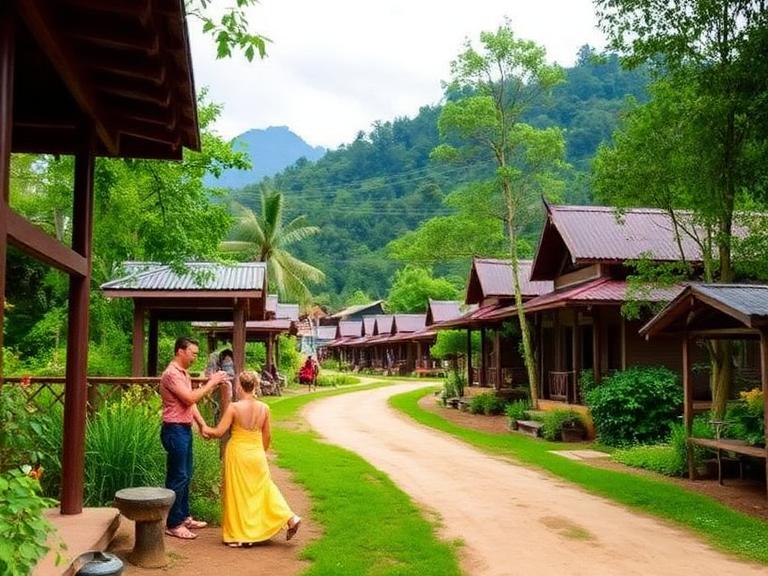
The roads outside Pai town pass through rice fields, bamboo bridges, small villages, and mountain viewpoints. Every few kilometers, I’d notice a random coffee shop or a hidden viewpoint worth stopping for. It felt less like sightseeing and more like wandering through a postcard.
Scooter rentals are everywhere in Pai. Most shops charge around 200–300 THB daily depending on the bike model. Always check the brakes, tires, and lights before leaving. Wearing a helmet is essential, even if many tourists ignore it.
If you’re not confident driving, don’t force yourself. Pai’s roads may look peaceful in photos, but mountain curves and inexperienced tourists can make riding stressful. I met several travelers who preferred using Grab, taxis, or guided day tours instead.
Visit Pai Canyon Thailand at Sunset
Out of all the Pai Thailand attractions, Pai Canyon became my favorite almost immediately.
I arrived about an hour before sunset because I’d heard the crowds could get busy later. That turned out to be the perfect decision. The soft golden light slowly changed the canyon colors from dusty orange to deep red, and the mountain views stretched endlessly into the distance.
The actual canyon trails are narrower than they appear in photos. Some sections have steep drop-offs without railings, so you need proper shoes and decent balance. It’s not technically difficult, but if you’re afraid of heights, parts of the walk might feel intimidating.
What made the experience memorable wasn’t just the view. It was the atmosphere. Travelers sat quietly watching the sunset instead of constantly talking. The wind cooled down after the heat of the afternoon. Even though Pai Canyon is one of the most famous best places to visit in Pai, it still managed to feel peaceful.
Entry is free, and the canyon sits about 8 kilometers south of town. Most people reach it by scooter, though tours also stop here regularly. I’d recommend bringing water and arriving early enough to explore beyond the main viewpoint because the quieter sections are much more enjoyable.
Relax at the Tha Pai Hot Springs
After spending hours riding around Pai on dusty roads, visiting the hot springs felt like therapy.
Tha Pai Hot Springs sits inside a forested area surrounded by greenery, and the atmosphere feels surprisingly calm compared to the busy town center. The natural pools vary in temperature, so you can slowly move between warmer and cooler sections depending on what feels comfortable.
I visited in the morning, which I highly recommend because afternoons tend to get crowded. Sitting in naturally heated water while surrounded by jungle sounds felt like one of those slow travel moments you remember long after the trip ends.
The entrance fee is usually around 300 THB for foreigners because the springs are located inside a national park area. Some travelers skip it because of the price, but personally, I thought it was worth it after long days exploring the Pai Thailand attractions by scooter.
If you don’t want to organize transport yourself, many local tours include the hot springs together with waterfalls and Pai Canyon in a single day trip.
Explore the Pai Walking Street Night Market
Every evening, Pai completely changes mood once Walking Street comes alive.
The road fills with food stalls, musicians, handmade crafts, smoothie vendors, backpackers, and travelers from all over the world. I expected it to feel overly touristy, but honestly, it was still fun. The food alone made it worth visiting every night.
I tried grilled skewers, mango sticky rice, fresh fruit shakes, northern Thai sausages, and surprisingly good vegan curries. Most dishes cost between 50–120 THB, making it easy to sample multiple things without spending much.
One thing I noticed was how international Pai feels now. Some travelers love that social atmosphere, while others miss the quieter version of Pai from years ago. Recent discussions online mention that Pai has evolved into more of a traveler-focused town rather than a traditional Thai village. Personally, I think that’s true, but I still enjoyed the energy of the night market.
If you stay nearby, Walking Street becomes the easiest place to meet other travelers, find cheap dinners, and book local activities or tours.
Visit the White Buddha Viewpoint
The White Buddha, also called Wat Phra That Mae Yen, became one of my favorite sunrise spots in Pai.
Reaching the giant white statue requires climbing a staircase up the hill, but the view from the top is completely worth the effort. Early in the morning, the valley fills with mist while the town slowly wakes up below.
Compared to Pai Canyon, this place felt quieter and more spiritual. I spent nearly an hour there just watching the changing light over the mountains. Sometimes travel memories aren’t about adrenaline or famous landmarks. Sometimes it’s simply sitting somewhere peaceful and letting the atmosphere sink in.
Entrance is free, though respectful clothing is important because it’s still a temple area. If you’re exploring by scooter, combining the White Buddha viewpoint with nearby cafes makes for a perfect relaxed morning itinerary.
Swim at Mo Paeng Waterfall
If you’re visiting Pai during the warmer months, Mo Paeng Waterfall is one of the most refreshing places to cool down.
The waterfall isn’t enormous, but the natural pools and smooth rock slides make it fun to spend a few hours there. I visited in the afternoon after riding around the countryside all morning, and jumping into cold water felt amazing after the heat.
Entry fees are inexpensive, usually around 20 THB. Families, backpackers, and local travelers all gather here, especially during weekends. The atmosphere feels relaxed rather than commercial.
One travel tip: the rocks can become slippery, especially after rain. Wearing sandals with grip helps a lot. Also, if you visit during rainy season, the waterfall becomes stronger and greener, though roads may be muddier.
Visit Pam Bok Waterfall
Pam Bok Waterfall felt very different from Mo Paeng.
Instead of wide open pools, this waterfall sits hidden between narrow canyon walls, which gives it a more dramatic atmosphere. The walk from the parking area only takes a few minutes, making it an easy stop while exploring the best places to visit in Pai.
I visited during midday, and the shaded canyon area stayed surprisingly cool even in the heat. The water was refreshing, though slightly colder than expected. It’s not the kind of place where you spend an entire day, but it’s definitely worth adding to your Pai itinerary.
Many guided excursions combine Pam Bok with Pai Canyon, bamboo bridges, and local viewpoints. That can be useful if you don’t want to ride scooters independently.
Bamboo Bridge and Rice Fields Experience
One of the most peaceful experiences I had in Pai involved doing almost nothing.
I spent an afternoon walking across one of Pai’s bamboo bridges surrounded by endless rice fields and mountain scenery. The bridge itself wasn’t spectacular in a dramatic way, but the atmosphere felt calming and quiet.
This is where Pai slows down completely. You hear birds, wind moving through the fields, and the occasional scooter passing in the distance. No loud nightlife. No traffic. Just open countryside.
There are several bamboo bridges around Pai, and most have nearby cafes where you can sit with coffee while overlooking the fields. If you’re someone who enjoys slow travel rather than rushing between attractions, this may actually become one of your favorite Things to do in Pai Thailand.
Discover Local Cafes in Pai
Pai’s cafe culture surprised me more than I expected.
I originally assumed the cafes would feel overly Instagram-focused, but many places genuinely had incredible views and relaxed atmospheres. Some overlooked rice paddies, while others sat hidden in the hills surrounded by jungle.
One of my favorite mornings involved ordering iced Thai tea and sitting quietly while fog rolled through the mountains. It sounds simple, but those moments became some of the strongest memories from Pai.
Cafe prices are slightly higher than local Thai restaurants, though still affordable compared to Western countries. Expect to pay around 60–150 THB for drinks or brunch meals.
If you work remotely or enjoy journaling while traveling, Pai feels designed for slow mornings in cafes.
Stay in a Bamboo Bungalow
If possible, avoid staying directly in the loudest part of town.
I booked a bamboo bungalow slightly outside the center, and it completely changed my experience. Waking up to mountain views and hearing birds instead of nightlife made Pai feel much more peaceful.
Accommodation options range from budget hostels to boutique resorts with infinity pools. During the green season, you can find beautiful bungalows for surprisingly low prices.
Staying near rice fields also makes sunrise and sunset much easier to enjoy without dealing with crowds.
Try Northern Thai Food
Pai introduced me to several northern Thai dishes I hadn’t tried before.
Khao Soi quickly became my favorite — a creamy coconut curry noodle soup topped with crispy noodles. I also loved sai ua, the spicy northern Thai sausage commonly sold in local markets.
While Walking Street has plenty of international food, some of the best meals I had came from smaller local restaurants away from the main tourist strip. Several travelers online also mentioned that local family-run spots outside the center often serve more authentic and affordable food.
Food in Pai generally stays budget-friendly unless you focus entirely on trendy cafes or imported Western meals.
Explore Pai by Guided Tour
Even though Pai is famous for scooter adventures, guided tours actually make sense for many travelers.
I met several people who booked small-group excursions because they didn’t feel comfortable driving mountain roads. Most tours include transportation, waterfalls, hot springs, Pai Canyon, and viewpoints in a single itinerary.
What I liked about some tours was the local insight. Drivers often stopped at hidden viewpoints or food stalls I would never have noticed alone.
Prices vary depending on group size and activities, but day tours are generally affordable compared to private transport.
Yoga and Slow Travel in Pai
Pai has a reputation for attracting slow travelers, digital nomads, and wellness-focused backpackers. After spending time there, I completely understood why.
The pace encourages you to slow down naturally. Many travelers come intending to stay briefly and end up extending their trips because Pai feels easy to settle into. Yoga classes, meditation workshops, live music nights, and riverside cafes all contribute to that relaxed atmosphere.
Even if yoga isn’t your thing, Pai still feels ideal for resting between busier Thailand destinations like Bangkok or Phuket.
Where to Stay in Pai
Choosing the right area matters a lot in Pai.
If you want nightlife, bars, and easy access to Walking Street, staying near the town center makes sense. If you prefer quiet mornings and countryside views, look for guesthouses slightly outside town.
Here’s a quick comparison:
| Area | Best For | Atmosphere | Average Budget |
|---|---|---|---|
| Walking Street Area | Nightlife & food | Busy & social | 400–1200 THB |
| Rice Field Bungalows | Relaxation | Quiet & scenic | 300–1000 THB |
| Riverside Resorts | Couples & comfort | Peaceful | 1200–3000 THB |
Booking ahead during peak season is important because Pai gets busy between November and February.
Travel Costs in Pai
Pai remains one of the cheaper destinations in Thailand, especially for backpackers.
Here’s roughly what I spent daily:
| Expense | Approximate Cost |
|---|---|
| Scooter Rental | 200–300 THB |
| Hostel Bed | 250–500 THB |
| Bamboo Bungalow | 500–1200 THB |
| Street Food Meal | 50–100 THB |
| Cafe Meal | 120–250 THB |
| Attraction Entry | Free–300 THB |
You can travel Pai very cheaply if you stick to local food and simple accommodation.
Pai Thailand Travel Guide Tips
Before visiting Pai, these practical tips genuinely help:
- Wear a helmet if renting scooters.
- Avoid riding during heavy rain.
- Carry cash because some smaller places don’t accept cards.
- Start sightseeing early to avoid heat and crowds.
- Stay at least three nights if possible.
- Bring a light jacket during cool season evenings.
- Don’t underestimate the winding road from Chiang Mai.
Several recent travel discussions also warned travelers about unsafe scooter riding in Pai. If you’re inexperienced, guided transport is the safer choice.
Conclusion
After visiting Pai, I finally understood why people become emotionally attached to this tiny mountain town.
It’s not perfect. It’s definitely more touristy than many travelers expect. Some streets feel crowded, and parts of Pai almost resemble an international backpacker village more than traditional Thailand. But once you step beyond the busiest areas, Pai still has something special.
The sunsets at Pai Canyon Thailand, slow mornings in rice-field cafes, mountain roads, waterfalls, bamboo bridges, and relaxed atmosphere create experiences that feel personal rather than rushed. Pai isn’t really about ticking attractions off a checklist. It’s about slowing down enough to enjoy the journey between them.
If you’re building a Northern Thailand itinerary, I genuinely think Pai deserves a spot on it — especially if you enjoy nature, slow travel, and relaxed mountain scenery.
FAQs
How many days do you need in Pai Thailand?
I’d recommend at least 3–4 days. Pai is best enjoyed slowly rather than as a rushed overnight trip.
Is Pai Thailand worth visiting?
Yes, especially if you enjoy nature, scooter rides, waterfalls, cafes, and relaxed mountain-town vibes.
What is the best way to explore Pai?
Scooters are the most popular option, but guided tours and taxis are better for travelers without riding experience.
Is Pai Canyon Thailand free?
Yes, entry to Pai Canyon is completely free.
What is the best time to visit Pai?
November to February offers the best weather with cooler temperatures and clear mountain views.
Is the Pai motorbike route dangerous?
It can be dangerous for inexperienced riders because of steep curves and mountain roads. Always wear a helmet and avoid riding in bad weather.